Getting pulled over by a police officer can be nerve-wracking. As the flashing lights reflect off your rearview mirror, your mind races, and you may notice something that seems out of place: the officer reaches out and touches your car’s tail lights. Why do they do that? Is there some hidden meaning or reason behind this subtle gesture? In this article, we’ll uncover the fascinating reasons why police officers always touch the car’s tail lights during traffic stops.
Documenting the Stop
One of the most practical reasons officers touch your car’s tail lights is to document the interaction. When the officer places their hand on the vehicle, they leave behind a fingerprint. This seemingly insignificant act could be vital if the encounter escalates or turns into a dispute later.
For instance, if a driver speeds off or if questions arise about the officer’s conduct, that fingerprint serves as hard evidence proving that the officer was indeed present at the scene. It’s a quick and easy way to leave a mark of authenticity and accountability on the interaction. In an age of body cameras, this may seem redundant, but it’s a long-standing practice that has endured over time.
Enhancing Officer Safety
Traffic stops are unpredictable, and every situation is unique. Officers approach each vehicle with heightened caution because they never know what they might face. Touching the tail lights is a simple precautionary measure that serves as a safeguard in case something goes wrong.
Imagine the worst-case scenario where an officer is harmed or a suspect drives away. That fingerprint on the tail lights could help forensic teams piece together what happened or identify the vehicle involved in a crime. The act provides investigators with physical evidence linking the vehicle to the traffic stop, and this can be crucial when reconstructing the series of events.
Deterring Illegal Activity
In some cases, touching the tail lights can act as a subtle deterrent to illegal behavior. When a driver sees the officer touching their vehicle, they may realize that they are under close scrutiny. It signals that the officer is paying attention to every detail of the stop and that anything they try to hide or dispose of within the vehicle could be discovered.
This small gesture can discourage drivers from attempting to stash illegal substances, throw out contraband, or tamper with evidence. It’s a psychological reminder that the officer is aware of their surroundings and that unlawful actions won’t go unnoticed.
Establishing a Routine for Consistency
Law enforcement professionals rely heavily on routines to stay focused and ensure that they cover all bases during potentially tense encounters. Touching the tail lights is often part of a structured routine for officers during traffic stops.
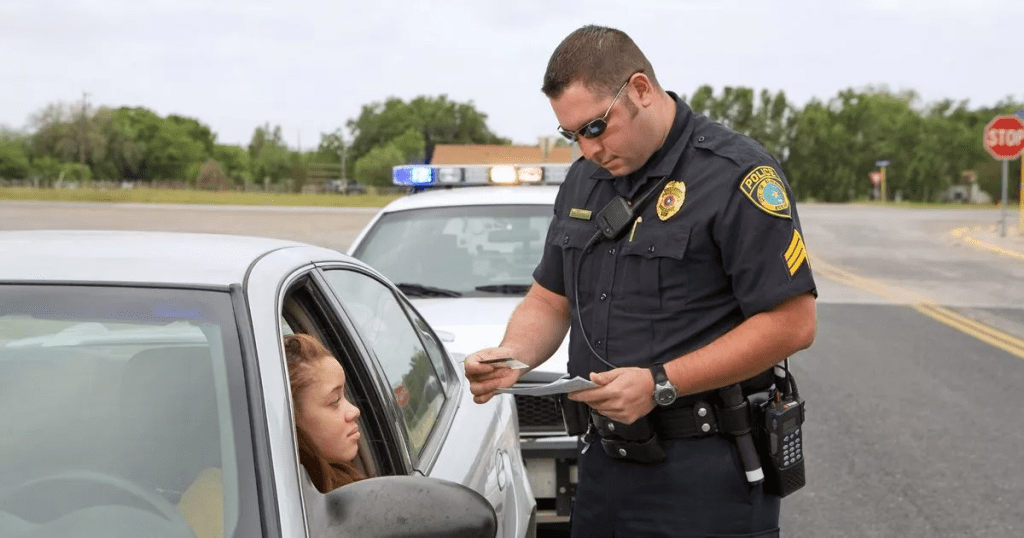
By performing routine actions, such as touching the tail lights, officers keep themselves grounded and focused on the task at hand. Consistent behavior helps minimize the chances of missing important details or making errors, especially in high-pressure situations. It ensures that the officer approaches each stop with the same level of diligence and attention to safety.
Demonstrating Authority and Presence
When an officer reaches out to touch the tail lights, they’re also making a subtle yet powerful statement of authority. The act demonstrates that they are in control of the situation and are methodically inspecting the vehicle. It signals to the driver that the officer is aware of every movement, and it reinforces the seriousness of the interaction.
It’s also a visual cue to anyone watching that law enforcement is performing its duties, adding a layer of formality to the stop. This symbolic gesture reminds the driver that they are in a controlled situation and should comply with the officer’s instructions.
A Nod to Cultural Traditions in Policing
In some regions or police departments, the act of touching a vehicle’s tail lights has developed into a cultural tradition. Over time, it’s become a way to signify the beginning of an official interaction between the officer and the driver. Some see it as a mark of respect, a way of saying, “We are now engaging in a formal process.”
Though not universal, these traditions add a human touch to the often tense and impersonal nature of traffic stops. In some departments, the practice has been passed down through generations of officers and continues to be a part of the law enforcement culture.
Conclusion
While touching a car’s tail lights during a traffic stop may seem like a small, inconsequential action, it serves several important purposes. From documenting the stop with fingerprints to enhancing officer safety, deterring illegal activity, and maintaining consistency during a potentially volatile situation, this practice is deeply rooted in the daily routines of law enforcement.
Moreover, it reinforces the officer’s authority and can even reflect long-standing cultural traditions within certain police departments. The next time you find yourself in a traffic stop, you’ll know that this small gesture is anything but random—it’s a purposeful part of ensuring the interaction is as safe and controlled as possible.
By understanding why police officers touch the tail lights, we gain insight into the layers of safety, accountability, and tradition embedded in everyday law enforcement practices.
