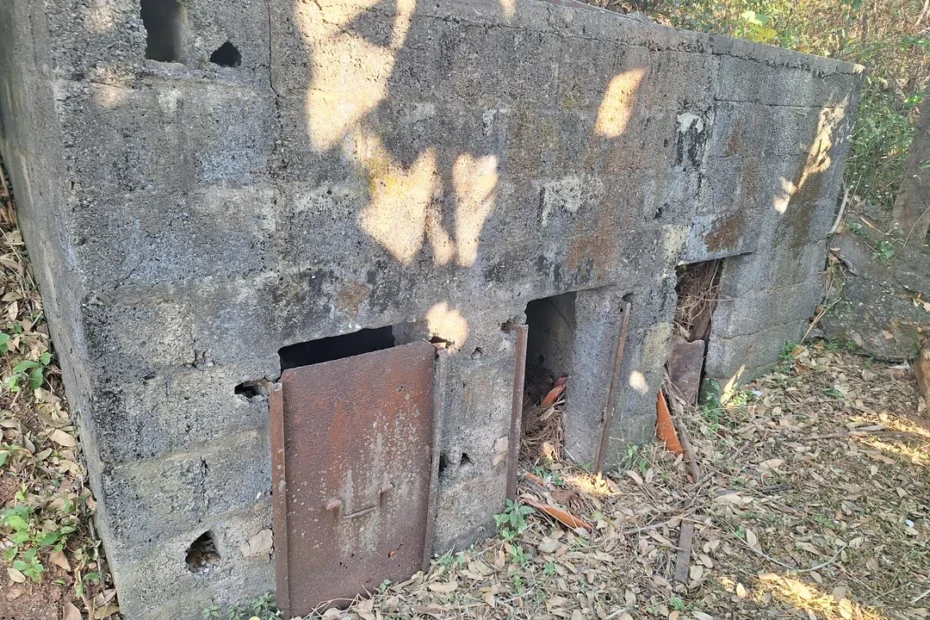

Cold Storage
Another possibility is cold storage. The thick cinder blocks provide insulation, ideal for storing root vegetables or other produce needing a cool, dark environment.
Animal Housing
The design might also suit housing small animals or poultry. The compartments could have served as coops or pens, with the lids offering protection from predators and the elements.
Rainwater Harvesting
With some modifications, the structure could have been part of a rainwater harvesting system. The chambers might have served as reservoirs for collected rainwater, with the lids preventing contamination.

Investigating the History
To uncover the true purpose of the cinder block structure, I researched the property’s history and its previous owners. I contacted the local historical society, searched old property records, and reached out to long-time neighbors. I learned that the previous owner was an avid gardener with a keen interest in sustainable living practices.
Personal Adaptation
While the exact original use remains somewhat ambiguous, I decided to repurpose it for my gardening needs. The sturdy construction is perfect for a multi-chamber composting system. I plan to use one chamber for fresh composting materials, another for compost in the process of breaking down, and the third for finished compost ready to be used in my garden beds.

Conclusion
The cinder block structure in my garden stands as a testament to the ingenuity and practicality of its previous owner. Whether for composting, storage, or another creative use, it offers endless possibilities for reuse and adaptation. This structure is a valuable asset to my garden and a fascinating piece of the property’s history. It reminds me of the importance of resourcefulness and the enduring legacy of those who came before me.
