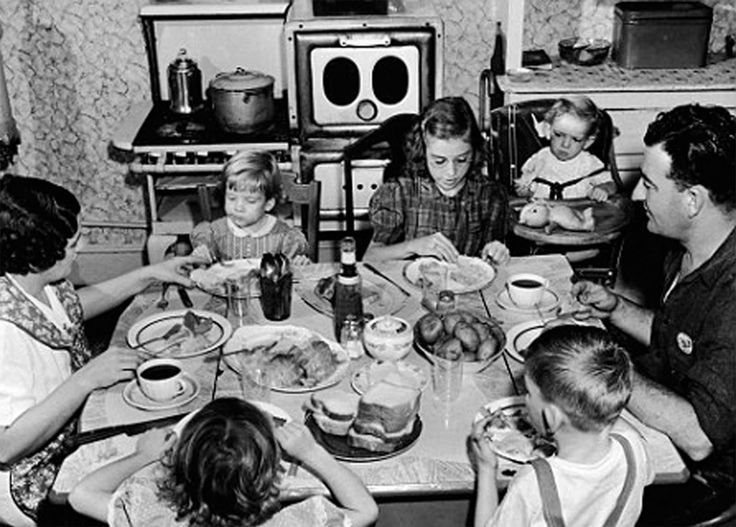
The terms “dinner” and “supper” are often used interchangeably, but they have distinct meanings rooted in cultural and regional traditions. Understanding the difference between these two meals can offer insight into the history of dining habits and how they have evolved over time.
Dinner: The Main Meal of the Day
“Dinner” typically refers to the main meal of the day, which can be served at various times depending on cultural or regional practices. Traditionally, dinner was eaten in the middle of the day, especially in agricultural societies where a substantial meal was needed to fuel the remainder of the day’s work. However, in many modern contexts, dinner has shifted to the evening, becoming the largest and most formal meal of the day. It’s often associated with gatherings, celebrations, and a more substantial menu.
Supper: A Lighter Evening Meal
On the other hand, “supper” generally refers to a lighter meal served in the evening. Historically, supper was the smaller, informal meal eaten after the day’s work was done, usually following dinner. In some regions, particularly in the southern United States and parts of the UK, supper is still used to describe a simple evening meal, often something lighter or more casual than dinner.
Regional Variations
The distinction between dinner and supper can also vary by region. In some areas, especially in the American South and rural communities, “supper” is commonly used to describe the evening meal, regardless of its size, while “dinner” might still refer to a midday meal, particularly on Sundays or special occasions. In urban settings and among younger generations, “dinner” is more universally understood as the evening meal, making “supper” less common.
Modern Usage
Today, the use of “dinner” and “supper” depends largely on personal or family traditions, regional preferences, and even the formality of the meal. While “dinner” has become the more dominant term for the evening meal, “supper” continues to carry a sense of warmth, familiarity, and tradition, particularly in certain regions and cultural settings.
In summary, while both “dinner” and “supper” refer to meals, they differ in timing, size, and cultural significance. Understanding these differences helps appreciate the diverse ways people approach their meals and the history behind our dining habits.

Related Posts
In others they are regulated as shopper merchandise
Using E-cigarettes To Quit Smoking Much like free-base nicotine products uzy crystal pro max 10k 10000 puff rgb disposable vape jnr lionking 42k mesh dual coil vape…
We have vape juices of different strengths
Electronic Cigarettes elf bar bc5000 5000 puffs disposable vape 2, Disposable Vapes, And E-liquids Whether you’re a seasoned vaper or a beginner, the Zeltu X3 Pod 2ml…
The Electronic Cigarette Company will not sell products to
On-line Vape Shop Disposable Vapes, Vape Kits & E-liquids The DynaCoil is a novel accent that lets you use your DynaVap device for wax and oil concentrates….
Side results are normally easily managed and shouldn’t stop
Vape Shop On-line Purchase Vapes & Vape Liquids These statements have not been evaluated by the Food and Drug Administration. These merchandise aren’t meant to diagnose lost…
No coils to swap, no tanks to fill, no settings to mess with
Utilizing E-cigarettes To Give Up Smoking New arrivals are added frequently, and best-selling collections are up to date as stock modifications. Whether you’re restocking a well-recognized product…
We supply authentic products from high manufacturers like
Online Vape Store Disposable Vapes And E-liquids While some claim to be “tobacco-free” — made with lab-created artificial nicotine, or with nicotine that doesn’t come from tobacco…