The Dreaded Tick Encounter
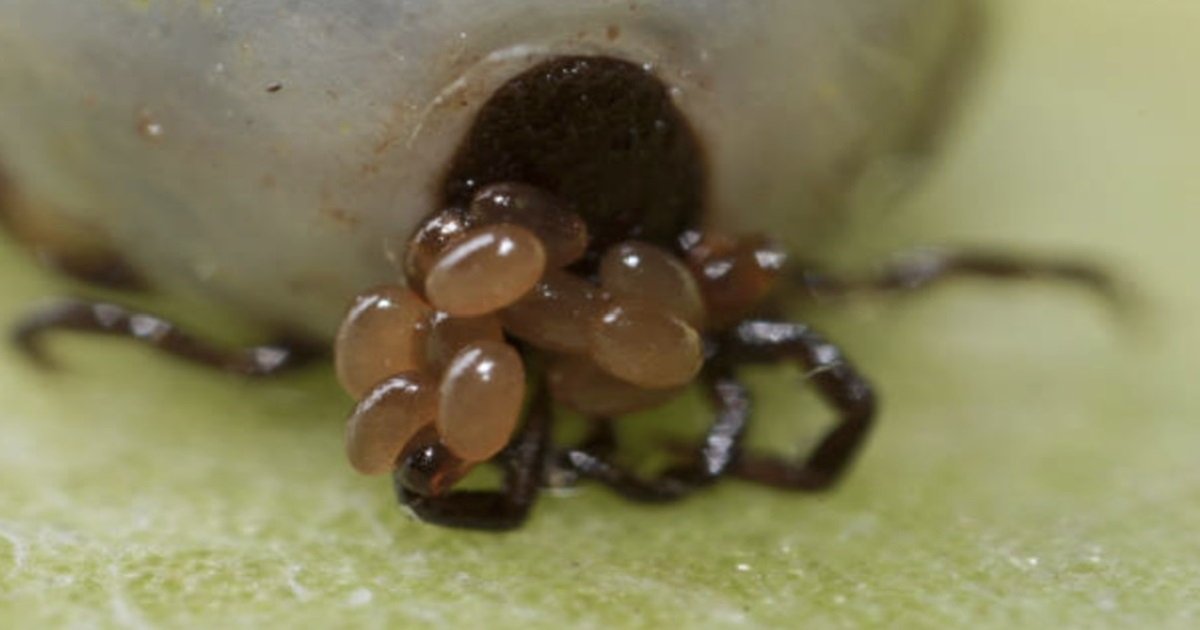
I despise ticks. Last summer, I faced an invasion of them up close. My dog attracted ticks like a magnet, and I had to painstakingly remove them with tweezers. Thankfully, my friend supported me, albeit from a very safe distance. Ticks are disgusting and scary, making my skin crawl just thinking about them. So, imagine my horror when I saw tick eggs for the first time.
Understanding Ticks
Ticks are small, blood-sucking creatures that can spread diseases to pets and humans. They are like uninvited party crashers, bringing risks such as Lyme disease and Rocky Mountain spotted fever.
When you find a tick, don’t panic. Use fine-tipped tweezers to grasp the tick close to the skin’s surface and pull upward with steady, even pressure. The goal is to remove the tick whole, without leaving parts embedded in the skin. After removing the tick, wash the bite area and your hands with alcohol, iodine cleaner, or soap and water. Dispose of the tick by putting it in alcohol, sealing it in a bag, wrapping it in tape, or flushing it down the toilet.

Seeking Professional Help
It’s always best to visit a doctor to remove a tick safely.
Identifying Tick Eggs
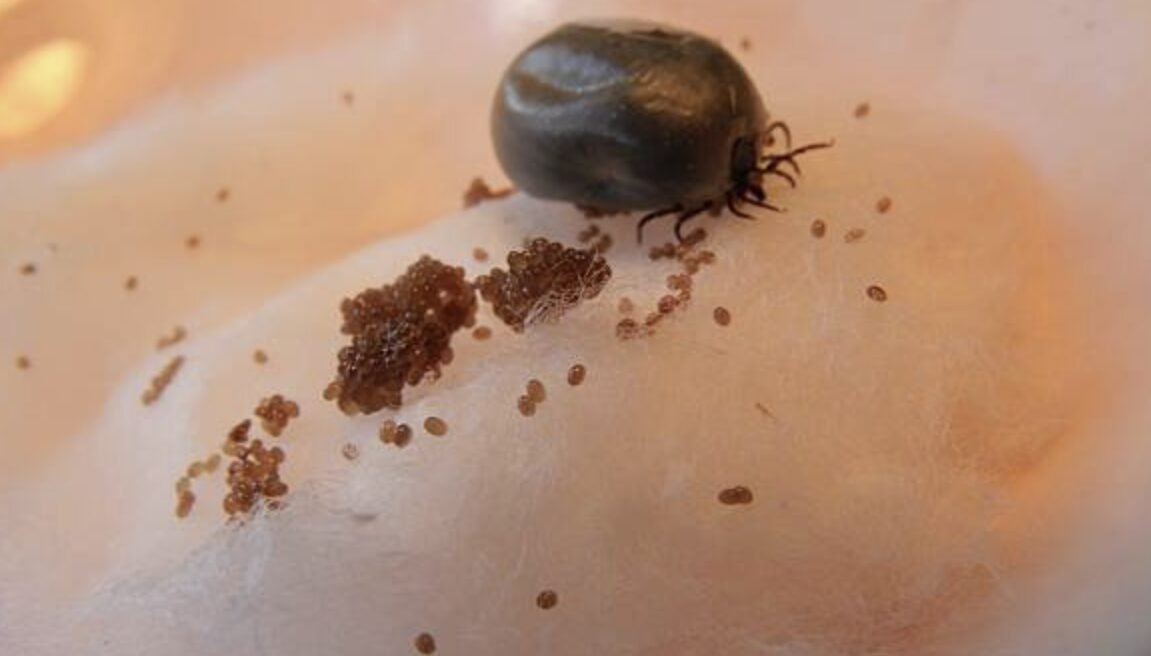
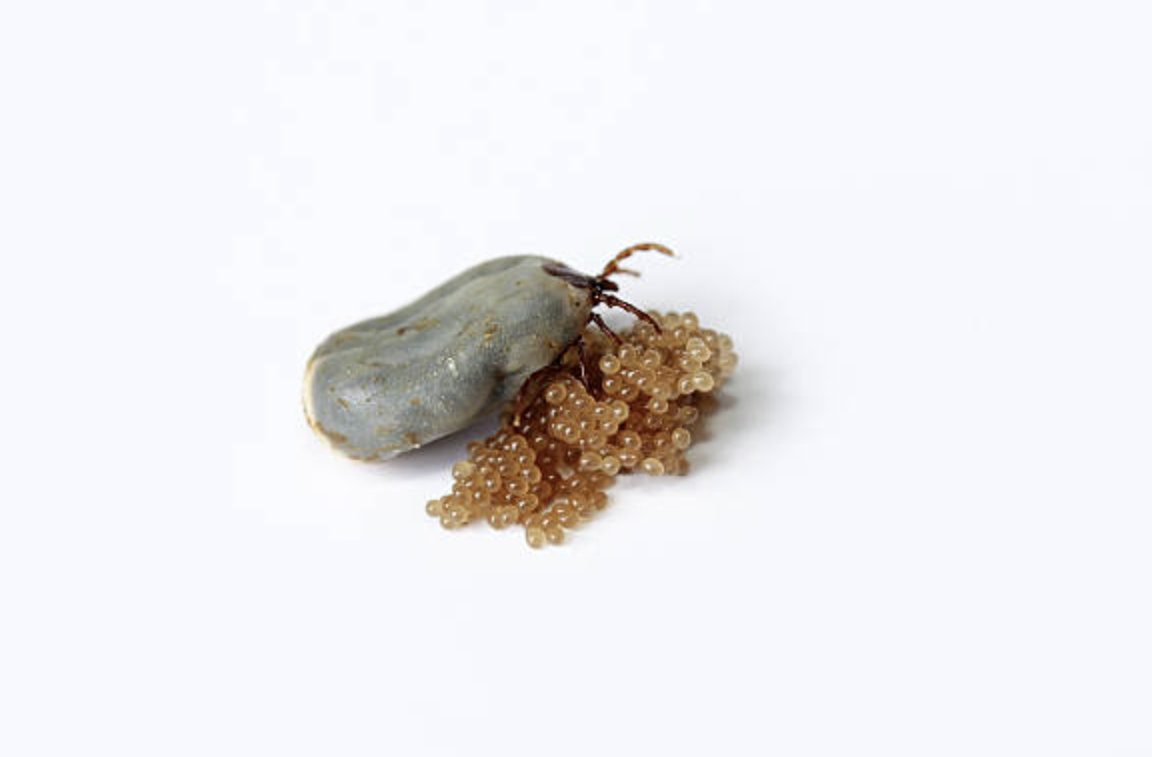
Tick eggs are tiny, reddish-brown, and laid in clusters resembling a small, gross pearl necklace. Each egg represents a potential future tick. A single female tick can lay thousands of eggs at a time, leading to a possible tick infestation.
Removing Tick Eggs
When I found a cluster of tick eggs in my garden, I wore gloves and scooped the eggs into a jar filled with rubbing alcohol to kill them instantly. It’s essential to check the surrounding area for more clusters or ticks. Afterward, I sprayed the spot with a mixture of water and permethrin, a pesticide effective against ticks but should be used with caution.

Preventive Measures
Preventive measures are crucial in the war against ticks:
- Keep your lawn mowed and bushes trimmed.
- Create a barrier with wood chips or gravel between your lawn and wooded areas.
- Use tick repellents on clothing and gear in wooded or grassy areas.
- Treat pets with veterinarian-approved tick prevention products.
- Regularly check pets, yourself, and your family for ticks after spending time outdoors.

Conclusion
Discovering tick eggs in your garden can be unsettling, but it’s manageable. With prompt action and ongoing preventive measures, you can protect your space and keep ticks at bay. Ticks and their eggs may be a fact of life for outdoor enthusiasts, but they don’t have to ruin the fun. Stay vigilant, informed, and ready to act at the first sign of trouble. Here’s to a tick-free future—or at least being prepared to deal with them when they show up!
