In the early 20th century, the world was experiencing an industrial boom, and with it came the rise of sophisticated machinery. As engines and mechanical systems advanced, the demand for precision tools that could support these complex devices also grew. One such tool that emerged from this era of innovation was the vintage gasket cutter. Though it may seem like a simple hand-operated device, its role in the industrial revolution was critical. Let’s delve into the fascinating origins, usage, and lasting impact of the vintage gasket cutter.
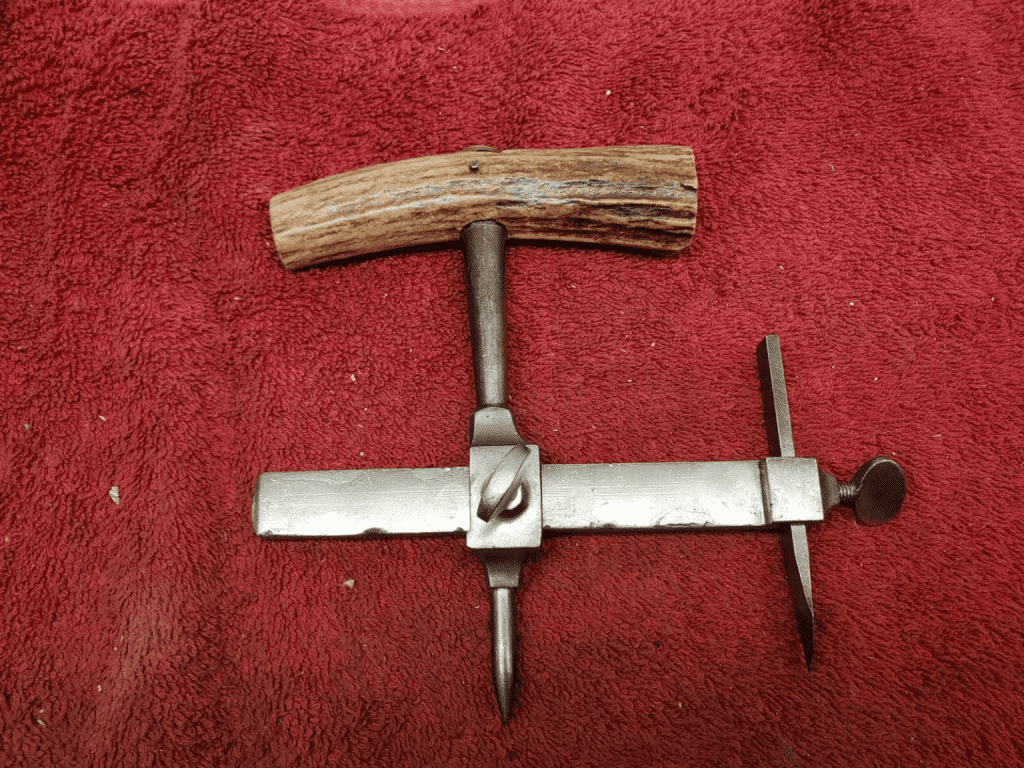
The Birth of the Vintage Gasket Cutter
The vintage gasket cutter first appeared during the early 1900s, a time when industry was rapidly evolving. As machines became more prevalent in factories, transportation, and even home garages, there was an increasing need for gaskets. Gaskets are essential components that create a tight seal between parts in mechanical systems, ensuring they operate without leaks or pressure loss. Prior to the introduction of automated cutting machines, workers needed tools that could create these vital seals with precision and ease.
That’s where the gasket cutter came in. This tool was designed to allow machinists to manually cut gaskets from a variety of materials—rubber, cork, leather, fiberboard, and even metal—depending on the machine’s needs. These custom-cut gaskets could be used in everything from engines to plumbing systems, making the gasket cutter indispensable across numerous industries.
Portable and Adjustable: A Tool for Every Workshop
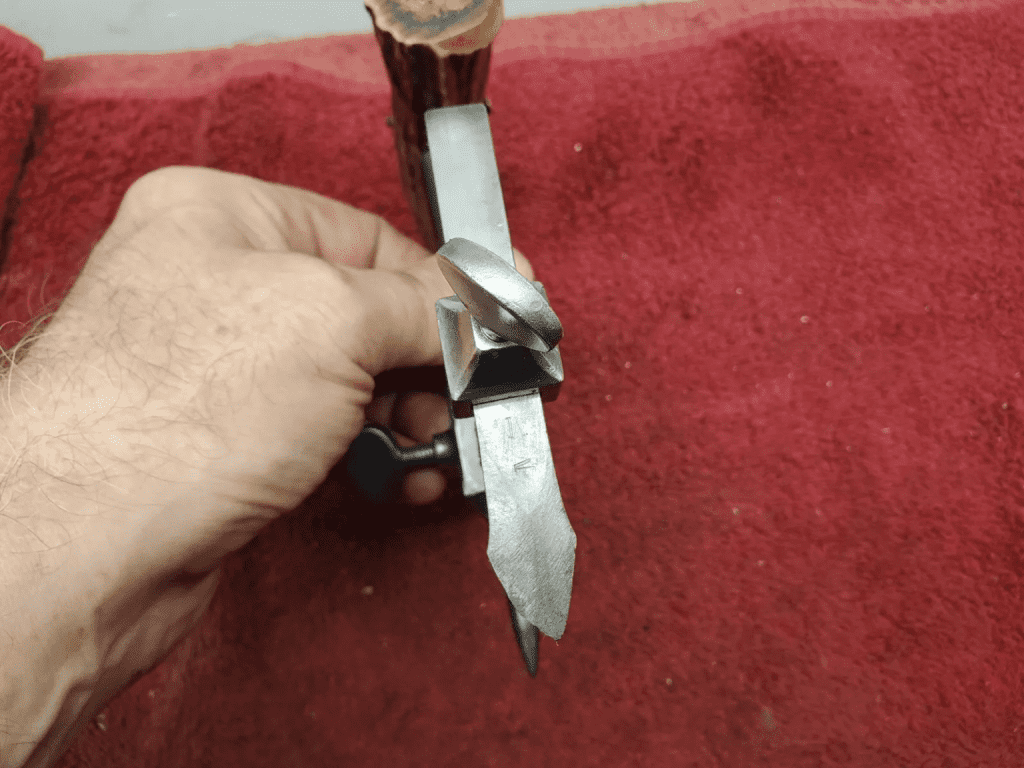
One of the key features of the vintage gasket cutter was its portability and adjustability. Unlike bulky machinery, it could be used in virtually any setting, from large industrial factories to small home workshops. Its design was simple but effective: a sharp blade attached to a central pivot, which allowed the operator to adjust the cutting radius to match the size of the gasket needed. This made the tool incredibly versatile, capable of creating both small and large circular gaskets.
This adjustability was a game-changer for machinists, mechanics, and hobbyists alike. They could produce gaskets for engines, pumps, valves, and countless other systems with minimal effort. The tool’s hand-operated nature meant it required only manual force and a steady hand to cut through materials and produce a perfect, reliable seal.
Gasket Cutters in Manufacturing: Precision and Reliability
During the height of industrialization, gasket cutters became a staple in manufacturing, particularly in industries such as automotive, aviation, and heavy machinery. In these fields, the performance and safety of mechanical systems relied heavily on the quality of the seals between parts. Leaks in engines or pumps could lead to catastrophic failures, making the precision and reliability of gaskets essential.
For manufacturers, the vintage gasket cutter provided an efficient way to produce custom gaskets on demand. Whether a part required a specific gasket size or a material that could withstand extreme conditions, this tool offered the flexibility to meet those needs. By adjusting the blade and pivot, workers could create gaskets tailored to each machine’s specifications, reducing downtime and keeping operations running smoothly.
The Hobbyist’s Essential Tool
Beyond large-scale manufacturing, the vintage gasket cutter found a home among hobbyists and mechanics. For those working on engine repairs or machine maintenance, the ability to cut custom gaskets by hand was invaluable. Whether restoring old vehicles, building custom machinery, or maintaining equipment, these enthusiasts relied on the gasket cutter’s precision and ease of use.
Its simplicity meant that anyone, regardless of their mechanical expertise, could produce a professional-quality gasket without needing specialized equipment. This accessibility helped popularize the tool among hobbyists and reinforced its importance in both professional and DIY environments.
The Legacy of the Vintage Gasket Cutter
While technological advancements have since replaced manual gasket cutting with automated systems, the legacy of the vintage gasket cutter remains strong. Today, these tools are cherished by collectors, tool enthusiasts, and industrial historians who recognize their significance in the evolution of manufacturing.
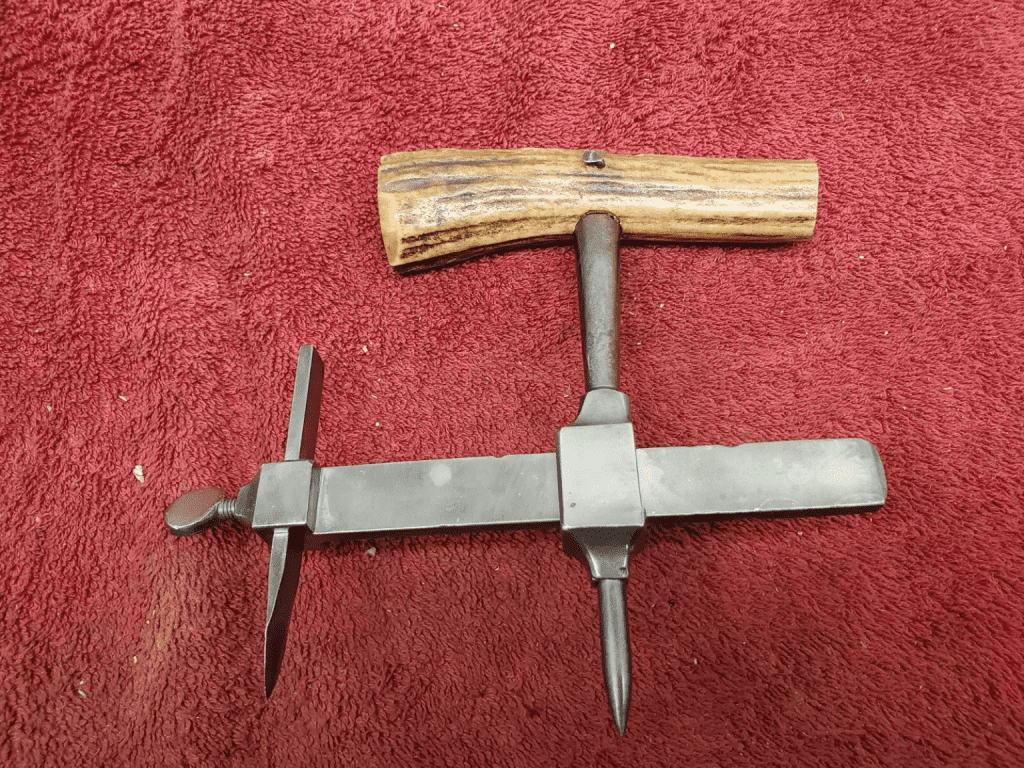
You can find vintage gasket cutters in antique shops, museums, and tool collections, where they are celebrated for their craftsmanship and ingenuity. Despite being overshadowed by modern CNC machines and laser cutters, the vintage gasket cutter stands as a reminder of a time when precision and reliability were achieved through hands-on skill and mechanical ingenuity.
Influence on Modern Tool Design
The design of the vintage gasket cutter has influenced the development of modern tools used in manufacturing and repair work. While automated machines now handle the bulk of gasket production, the basic principles of adjustability, precision, and durability remain integral to modern cutting equipment.
In fact, many industries still value the ability to create custom gaskets for specialized applications. Some companies continue to produce updated versions of the vintage gasket cutter, integrating modern materials and ergonomics while retaining the fundamental design that made the original so effective.
Conclusion: A Testament to Industrial Craftsmanship
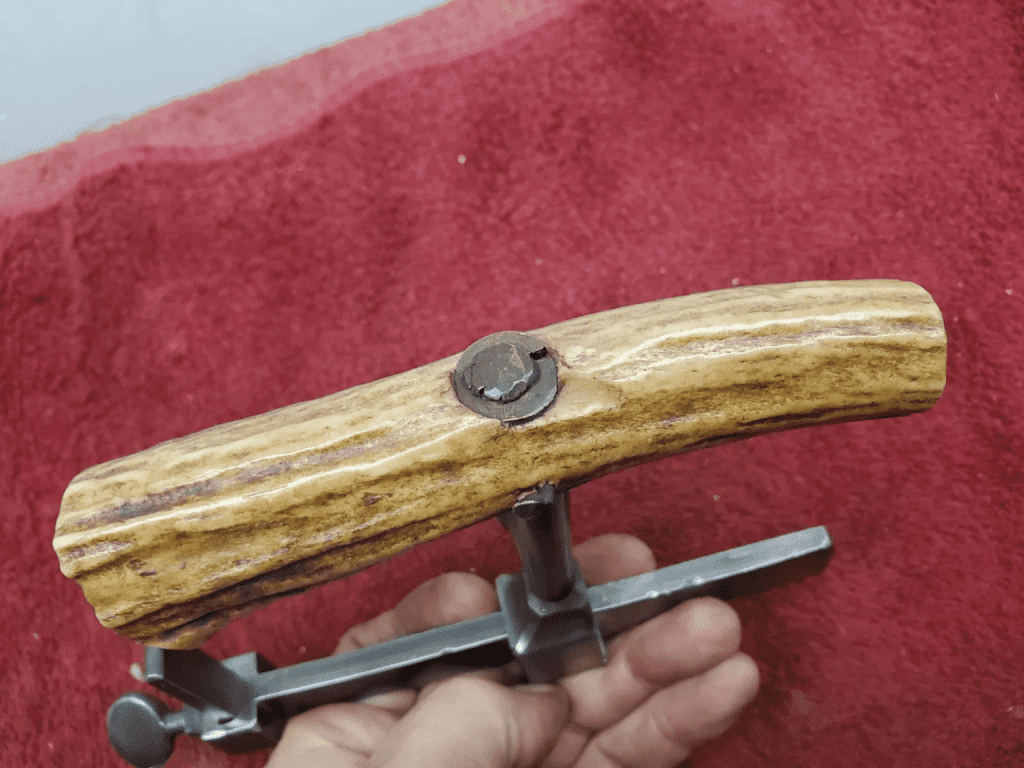
The vintage gasket cutter is more than just a tool—it’s a symbol of early industrial innovation and the craftsmanship that powered the rise of modern machinery. From its humble beginnings as a hand-operated device in workshops and factories to its status as a collectible piece of history, the gasket cutter has left a lasting impact on industries around the world.
Though modern technology has streamlined the process of gasket production, the ingenuity of the vintage gasket cutter continues to inspire manufacturers, collectors, and mechanics today. Its role in producing custom gaskets for machines played a crucial part in shaping the reliability and precision that industries still value. In many ways, the vintage gasket cutter stands as a bridge between the hands-on craftsmanship of the past and the advanced engineering of the future.
