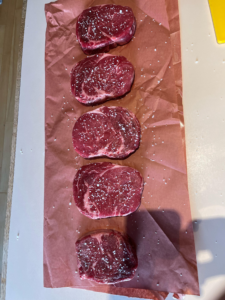
When it comes to seasoning meat, timing can make all the difference. One of the most debated questions in cooking is whether it’s better to salt meat before cooking to enhance flavor or after to prevent dryness. Let’s dive into the benefits of each method to help you decide the best approach for your next meal.
Salting Before Cooking: Unlocking Flavor
Salting meat before cooking is a common technique that many chefs swear by. This method allows the salt to penetrate deeper into the meat, enhancing its natural flavors. When salt is applied ahead of time, it draws moisture out of the meat, then reabsorbs it, along with the seasoning, back into the muscle fibers. The result? A more flavorful and evenly seasoned dish.
In addition, pre-salting helps create a better crust when searing or grilling. The salt aids in forming a golden, caramelized exterior that locks in moisture and intensifies the savory taste. For thicker cuts of meat like steak or roasts, seasoning in advance, even hours before cooking, can make a noticeable difference in flavor.
Salting After Cooking: Preserving Moisture
On the flip side, some cooks prefer to salt meat after cooking, especially if they’re concerned about keeping the meat juicy. Salting meat too early can sometimes draw out too much moisture, leading to a drier result. By waiting until after cooking, you ensure that the meat retains its natural juices throughout the process.
This method works particularly well for leaner cuts like chicken breasts or pork chops, where over-salting early on could risk losing valuable moisture. Post-cooking salting allows you to control the final seasoning, ensuring the meat stays tender and flavorful without the risk of drying out.
Finding the Balance
Ultimately, whether to salt before or after cooking depends on the type of meat you’re preparing and the result you want. For rich, flavorful cuts like steaks or roasts, salting beforehand can amplify the taste and texture. For leaner cuts, waiting until after cooking helps preserve moisture and tenderness. Some chefs even combine both methods, lightly seasoning before cooking and adjusting the salt level afterward to achieve the perfect balance of flavor and juiciness.
In the end, there’s no one-size-fits-all answer, but experimenting with both techniques will help you master the art of seasoning meat to your taste!

Related Posts
In others they are regulated as shopper merchandise
Using E-cigarettes To Quit Smoking Much like free-base nicotine products uzy crystal pro max 10k 10000 puff rgb disposable vape jnr lionking 42k mesh dual coil vape…
We have vape juices of different strengths
Electronic Cigarettes elf bar bc5000 5000 puffs disposable vape 2, Disposable Vapes, And E-liquids Whether you’re a seasoned vaper or a beginner, the Zeltu X3 Pod 2ml…
The Electronic Cigarette Company will not sell products to
On-line Vape Shop Disposable Vapes, Vape Kits & E-liquids The DynaCoil is a novel accent that lets you use your DynaVap device for wax and oil concentrates….
Side results are normally easily managed and shouldn’t stop
Vape Shop On-line Purchase Vapes & Vape Liquids These statements have not been evaluated by the Food and Drug Administration. These merchandise aren’t meant to diagnose lost…
No coils to swap, no tanks to fill, no settings to mess with
Utilizing E-cigarettes To Give Up Smoking New arrivals are added frequently, and best-selling collections are up to date as stock modifications. Whether you’re restocking a well-recognized product…
We supply authentic products from high manufacturers like
Online Vape Store Disposable Vapes And E-liquids While some claim to be “tobacco-free” — made with lab-created artificial nicotine, or with nicotine that doesn’t come from tobacco…