Understanding Safe Meat Defrosting
Defrosting meat is a common kitchen task, but it requires care to prevent foodborne illnesses. One frequent question is whether it’s safe to use hot water for defrosting. Given the conflicting information on this method, it’s crucial to understand the risks. This article explores those risks and provides safer alternatives for defrosting meat.
The Risks of Hot Water Defrosting
While using hot water might seem like a quick fix, it poses significant health risks. The primary concern is the “danger zone,” where harmful bacteria can grow rapidly.

The Danger Zone Explained
The danger zone lies between 40°F and 140°F. This range is ideal for bacteria like Salmonella and E. coli. When you place meat in hot water, the outer layer quickly heats up, while the center remains frozen. Bacteria can start to grow on the surface long before the meat cooks.
Food should not remain in the danger zone for more than two hours. Hot water speeds up the process, making the meat unsafe before you realize it.
Uneven Thawing Concerns
Hot water can also cause uneven thawing. The outside of the meat reaches temperatures conducive to bacterial growth, while the inside stays frozen. This discrepancy creates a perfect environment for bacteria to multiply. Even cooking the meat might not eliminate all risks, as some bacteria produce heat-resistant toxins.
Temperature Fluctuation Issues
Hot water doesn’t maintain a consistent temperature. When you add frozen meat, the temperature drops, leading to uneven thawing. This fluctuation increases the chances of bacterial contamination.
Safer Alternatives for Defrosting
If hot water isn’t safe, what options do you have? Fortunately, food safety experts recommend several safer methods. Here are the best practices for defrosting meat.
Refrigerator Thawing: The Gold Standard
The safest method is refrigerator thawing. Though it takes longer—often 24 hours or more for larger cuts—this method keeps meat out of the danger zone. The cold temperature of the fridge prevents bacterial growth. Additionally, the meat can safely remain stored for an extra one to two days after defrosting.
If you plan to defrost meat, this is the best option for food safety.
Cold Water Thawing: A Faster Safe Alternative
If you need to thaw meat quickly, cold water thawing is a relatively safe option. Follow these steps:
- Place the meat in a leak-proof plastic bag to prevent bacteria exposure.
- Submerge the bag in cold water.
- Change the water every 30 minutes to keep it cold.
This method can thaw smaller cuts in as little as an hour, while larger cuts may take a few hours. Cook the meat immediately after thawing to prevent bacterial growth.
Microwave Thawing: Quick but Cautionary
For those in a hurry, using the microwave is an option. However, it can cause uneven heating, which may cook some areas while others remain frozen. This creates spaces where bacteria can thrive.
If you choose to microwave, cook the meat immediately afterward to eliminate any bacteria. Keep in mind that microwaving may alter the meat’s texture, making it less ideal for certain dishes.
Key Takeaways for Safe Defrosting
When defrosting meat, prioritize safety. Here are the key points to remember:
- Avoid the danger zone: Keep meat out of the 40°F to 140°F range.
- Plan ahead: Refrigerator thawing is the safest method, despite its longer time requirement.
- Opt for cold water: Follow proper steps and change the water frequently.
- Be cautious with microwaves: Use this method sparingly and cook meat immediately after thawing.
Why Hot Water Isn’t Worth the Risk
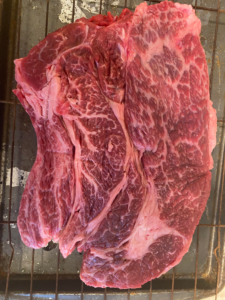
While hot water seems convenient, the health risks are not worth it. The potential for bacterial growth and uneven thawing far outweighs any advantages. Stick to safer methods like refrigerator or cold water thawing.
By understanding the risks and choosing safer alternatives, you can protect yourself and your family from harmful bacteria. Taking a little extra time ensures your meals are safe and delicious.
Conclusion
Food safety should never be an afterthought, especially when defrosting meat. Although hot water may tempt you during a time crunch, it significantly raises the risk of bacterial contamination. Rely on proven methods like refrigerator thawing, cold water thawing, or cautious microwave use to avoid foodborne illnesses.
Ultimately, keeping meat out of the danger zone and cooking it properly after thawing ensures safety. Next time you’re in a hurry, resist the urge to defrost in hot water and choose a safer alternative.
