How Often Should You Change Your Vacuum Filters?
Maintaining your vacuum cleaner is crucial for ensuring it operates efficiently and effectively. One of the most critical components that often get overlooked is the vacuum filter. These filters play a vital role in trapping dust, dirt, allergens, and other particles, preventing them from being released back into your home’s air. But how often should you change your vacuum filters to keep your vacuum working at its best? Let’s explore the factors that determine when to replace your vacuum filter and why it matters.
Understanding the Role of Vacuum Filters
Vacuum filters are designed to capture a variety of particles, including:
- Dust and Dirt: Regular household dust and dirt can accumulate quickly, especially in high-traffic areas.
- Allergens: Pollen, pet dander, and dust mites can be trapped by vacuum filters, improving indoor air quality for allergy sufferers.
- Microorganisms: Some advanced filters can even capture bacteria and other microorganisms.
Types of Vacuum Filters
Before determining how often to change your vacuum filters, it’s essential to understand the different types of filters available and their specific purposes:
- HEPA Filters: High-Efficiency Particulate Air (HEPA) filters are designed to capture 99.97% of particles as small as 0.3 microns. They are ideal for homes with allergy sufferers or pets.
- Foam Filters: Often used as pre-filters, foam filters trap larger particles before they reach the main filter, helping extend the lifespan of the HEPA or primary filter.
- Carbon Filters: These filters are designed to absorb odors and volatile organic compounds (VOCs), keeping your home smelling fresh.
- Cloth Filters: Typically found in bagged vacuums, cloth filters are reusable and designed for heavy-duty cleaning tasks.
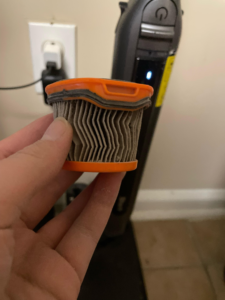
- Pleated Paper Filters: Commonly used in bagless vacuums, these filters offer a good balance between cost and efficiency.
Factors Influencing How Often to Change Vacuum Filters
The frequency with which you need to change your vacuum filters depends on several factors:
1. Frequency of Use
- Regular Use: If you vacuum once or twice a week, you may need to change your filter every three to six months.
- Heavy Use: For those who vacuum daily or have large households, consider changing the filter every one to three months.
2. Type of Flooring
- Carpets: Carpets can trap more dirt and dust than hard floors, which means your vacuum filter may need more frequent replacement.
- Hardwood or Tile: These surfaces generally produce less dust, allowing you to change filters less often.
3. Presence of Pets
- With Pets: Pet hair and dander can quickly clog filters, necessitating more frequent changes, typically every one to two months.
- Without Pets: If no pets are in the house, you can extend the time between filter changes.
4. Allergies and Sensitivities
- Allergy Sufferers: If you or a family member suffer from allergies, changing the filter more frequently (every one to two months) is recommended to maintain air quality.
- No Allergies: For homes without allergy concerns, follow the manufacturer’s guidelines for filter replacement.
5. Type of Filter
- HEPA Filters: These filters generally need changing every six months to a year, depending on usage and the manufacturer’s recommendations.
- Foam Filters: Foam filters can often be washed and reused multiple times but should be replaced every six to eight months.
- Carbon Filters: Typically need replacement every three to six months, especially if you’re using them to combat strong odors.
- Cloth Filters: These reusable filters should be replaced every year or two, depending on wear and tear.
- Pleated Paper Filters: These filters generally need changing every three to six months, depending on usage and dust levels.
Signs It’s Time to Change Your Vacuum Filter
Knowing when to change your vacuum filter is crucial for maintaining optimal performance. Here are some signs that indicate it’s time to replace your filter:
1. Loss of Suction Power
If your vacuum isn’t picking up dirt as efficiently as it used to, a clogged filter may be to blame. Reduced suction is a clear indicator that it’s time to check and possibly replace the filter.
2. Unpleasant Odors
If your vacuum releases a musty or unpleasant smell during use, it may be due to a dirty filter. Odors can be a sign that the filter is saturated with trapped particles and needs replacement.
3. Visible Dirt and Debris
Inspect your vacuum filter regularly. If you notice a significant buildup of dirt and debris, it’s time to replace it. A dirty filter can restrict airflow and reduce the vacuum’s effectiveness.
4. Allergies Acting Up
If you or your family members experience increased allergy symptoms, it may be due to a clogged filter failing to capture allergens effectively.
5. Filter Looks Damaged or Worn
Over time, filters can become damaged or worn out. If you notice any tears, holes, or other signs of wear, it’s essential to replace the filter promptly.
Tips for Extending the Life of Your Vacuum Filter
While regular replacement is necessary, you can take steps to prolong the life of your vacuum filter:
1. Clean the Filter Regularly
Some filters, like foam and cloth filters, can be washed and reused. Follow the manufacturer’s instructions for cleaning to maintain filter performance.
2. Empty the Dust Bin Frequently
A full dust bin can put additional strain on the filter. Empty the bin regularly to reduce the load on the filter.
3. Use the Right Vacuum Settings
Adjust your vacuum settings according to the type of flooring and level of dirt. This ensures the vacuum operates efficiently and reduces unnecessary strain on the filter.
4. Store Your Vacuum Properly
Proper storage can help protect the filter and other vacuum components from dust and damage. Keep your vacuum in a clean, dry area when not in use.
Conclusion
Regularly changing your vacuum filters is essential for maintaining your vacuum cleaner’s efficiency and ensuring a clean and healthy home environment. By understanding the factors that influence filter replacement frequency and recognizing the signs that it’s time for a change, you can keep your vacuum running smoothly and your indoor air quality at its best. Remember, a well-maintained vacuum not only prolongs the life of the appliance but also contributes to a fresher, healthier home for you and your family.
