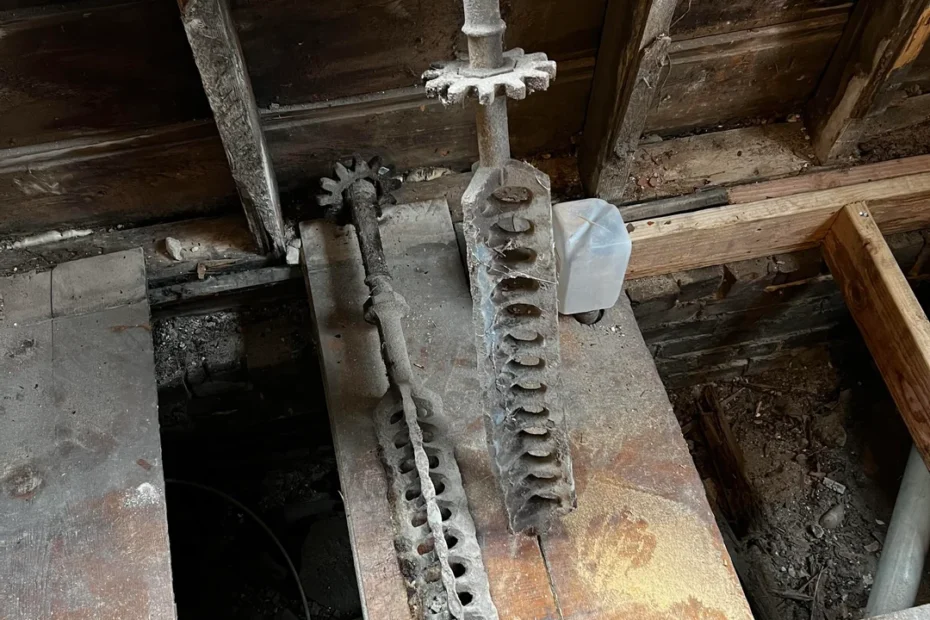
Finding the Cast Iron Rods
During home renovations, uncovering cast iron rods beneath floorboards can spark curiosity about their purpose. In a home built in 1853, these rods are not just remnants but crucial components of the building’s structure.
Theories from Reddit Users
Opinions on the purpose of these rods varied. Some suggested they are shaker grates for a coal stove or furnace, while others thought they might be homemade weapons or even a butter churn agitator. Most agreed on their use in coal-burning stoves or furnaces, where they would help remove ash and clinker to maintain efficient burning.

Structural Reinforcement
In the 19th century, cast iron rods were commonly used for structural reinforcement. Builders embedded these rods under floorboards to enhance the load-bearing capacity of wooden beams and joists. This made floors stronger and less prone to sagging or collapsing, especially in larger or multi-story homes.
Stabilizing Walls
Cast iron rods also helped stabilize walls. Known as “tie rod” construction, these rods ran through the width of the house and were secured with plates on the exterior walls. They acted as tension members, preventing walls from bowing or cracking.

Preventing Settlement
These rods played a role in mitigating the effects of settlement. As the foundation of a house shifted over time, the rods helped distribute weight evenly and maintained the alignment of structural components, reducing stress and extending the building’s lifespan.
Fire Protection
Cast iron’s fire-resistant properties made it a safer choice for certain structural elements. In the event of a fire, cast iron rods would remain intact, providing some structural support and giving occupants more time to evacuate.

Modern-Day Implications
For modern homeowners, finding these rods provides insights into historical construction methods. Here are steps to consider:
- Consult a Structural Engineer: Before making changes, get a structural engineer to assess the rods and overall home integrity. They can advise on whether the rods are still effective or need reinforcement.
- Preservation: Maintaining these rods can preserve the historical aspects of your home, contributing to its architectural authenticity.
- Documentation: Documenting the rods’ presence and condition can aid future renovations and provide valuable historical records.
- Safety Considerations: Ensure any work involving these rods is done carefully to avoid compromising the home’s structural integrity.

Conclusion
Cast iron rods found in an 1853 home are more than historical curiosities; they showcase the ingenuity of 19th-century builders. These rods served as structural reinforcements, wall stabilizers, settlement mitigators, and fire protectors, playing a vital role in the home’s longevity and resilience. Discovering these elements offers a chance to appreciate and preserve the craftsmanship of the past, honoring the historical legacy of your home.
