In the early 20th century, as homes became more self-sufficient and kitchens transformed into the heart of the household, one tool became indispensable: the vintage knife and scissor sharpener. This simple yet essential device played a significant role in maintaining the efficiency of everyday tools, reflecting a time when craftsmanship, durability, and practicality were paramount. Let’s explore the rich history, usage, and lasting legacy of these vintage sharpeners.
A Glimpse Into the History of Vintage Sharpeners
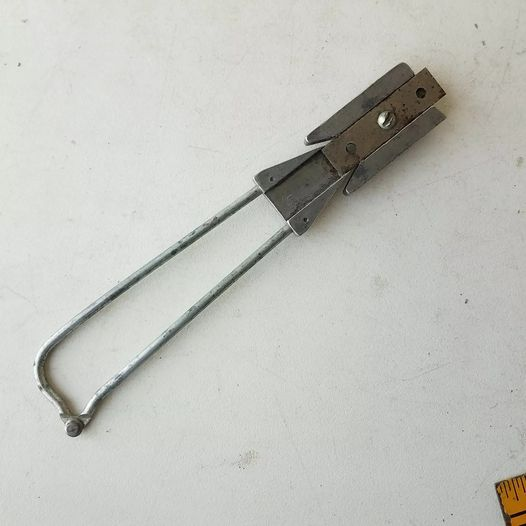
The history of the vintage knife and scissor sharpener dates back to the early 1900s, a period when domestic life and kitchen maintenance took on greater importance. As cooking techniques became more sophisticated, the demand for well-maintained kitchen tools surged. Home cooks, seamstresses, and craftsmen alike required sharp blades to perform their daily tasks efficiently. Enter the knife and scissor sharpener—an innovation that empowered individuals to maintain their own tools without relying on professional services.
Early sharpeners were crafted from durable materials such as metal and wood, designed to withstand the wear and tear of frequent use. These tools were not only functional but often displayed intricate designs, making them both practical and aesthetically pleasing. As technology advanced, sharpeners became more efficient, offering improved methods for restoring blades to their original sharpness.
The Practical Usage of Vintage Knife and Scissor Sharpeners
At the core of every vintage knife and scissor sharpener was its practical function: to restore dull blades to their former sharpness. The process was straightforward. Users would simply slide their dull knives or scissors through designated slots or grooves in the sharpener. These slots were often lined with abrasive surfaces designed to grind the edges of the blade back to a fine point. This process saved time, money, and resources, as it prolonged the lifespan of valuable cutting tools.
Some vintage models also featured honing capabilities, allowing users to maintain their blades between full sharpenings. Honing realigns the blade’s edge, keeping it in optimal condition and reducing the need for frequent sharpening. This dual functionality made the vintage sharpener a must-have tool for home cooks, seamstresses, and anyone relying on sharp, precise tools.
In a time when convenience wasn’t as readily available as it is today, the vintage sharpener was a symbol of self-sufficiency and resourcefulness. It allowed individuals to take care of their tools at home, adding a sense of pride and ownership to their daily routines.
Design and Craftsmanship: A Testament to Durability
One of the most striking aspects of vintage sharpeners is their design and craftsmanship. Made from high-quality materials, these sharpeners were built to last, often handed down through generations as a trusted household tool. Many vintage models feature beautifully crafted wooden handles, metal bodies, and intricate designs, making them as much a work of art as a functional tool.
The quality of these sharpeners meant they could endure years of use without losing their effectiveness. Unlike today’s disposable culture, where tools are often replaced rather than repaired, vintage sharpeners were designed to be sustainable. They offered a long-term solution to maintaining blades, reflecting the values of an era where durability and longevity were highly regarded.
The Evolution of the Vintage Sharpener: From Necessity to Collectible
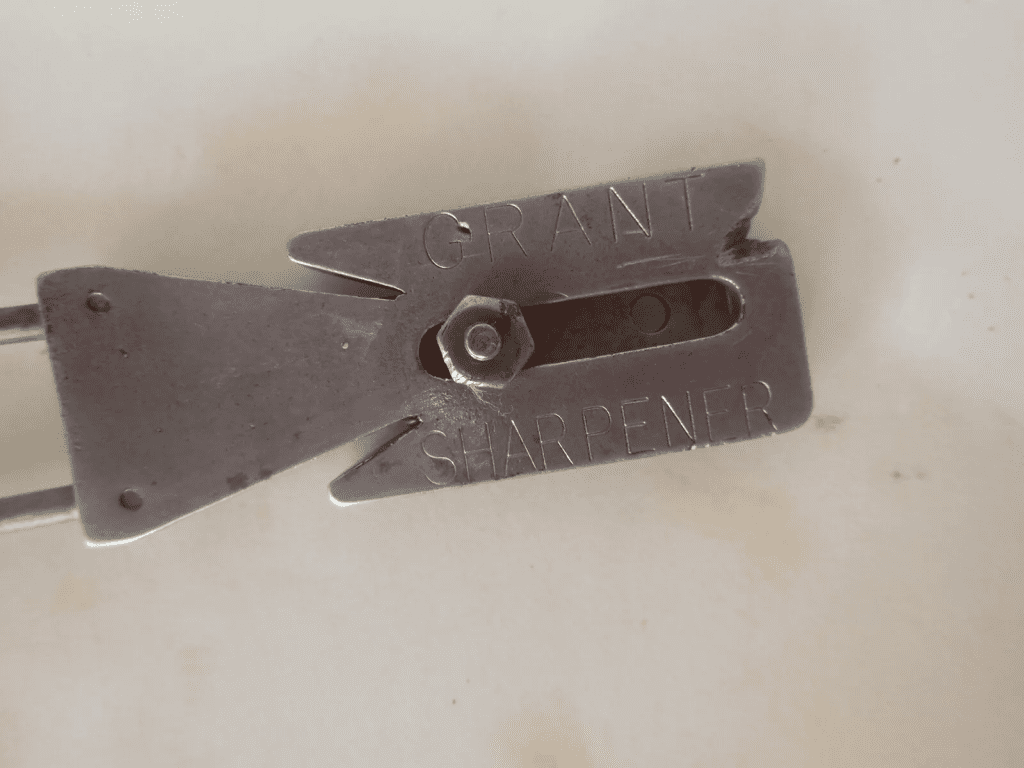
As modern technology advanced and electric sharpeners began to dominate the market, the need for manual vintage sharpeners diminished. However, rather than fading into obscurity, these tools found a second life as collectibles. Today, enthusiasts and collectors seek out vintage sharpeners for their historical significance, unique designs, and nostalgic value.
In particular, the rise of the eco-conscious movement has reignited interest in these tools. Many people are rediscovering the benefits of maintaining and repairing their tools rather than replacing them, aligning with the original purpose of the vintage sharpener. This focus on sustainability has brought vintage sharpeners back into the spotlight, with collectors valuing them not only for their charm but also for their practicality in a modern context.
Restoring Vintage Sharpeners: A Growing Trend
With the growing interest in vintage sharpeners comes a renewed effort to restore and maintain these tools. Many collectors and enthusiasts are taking the time to refurbish vintage sharpeners, ensuring that they remain functional while preserving their historical integrity. Restoring a vintage sharpener is not just about bringing it back to working condition; it’s about honoring the craftsmanship and ingenuity that went into creating it in the first place.
This restoration process often involves cleaning, polishing, and sometimes replacing worn-out parts, all while maintaining the tool’s original design. For many, the act of restoring a vintage sharpener is a rewarding experience, providing a tangible connection to the past and a sense of accomplishment in bringing an old tool back to life.
The Legacy of Vintage Knife and Scissor Sharpeners Today
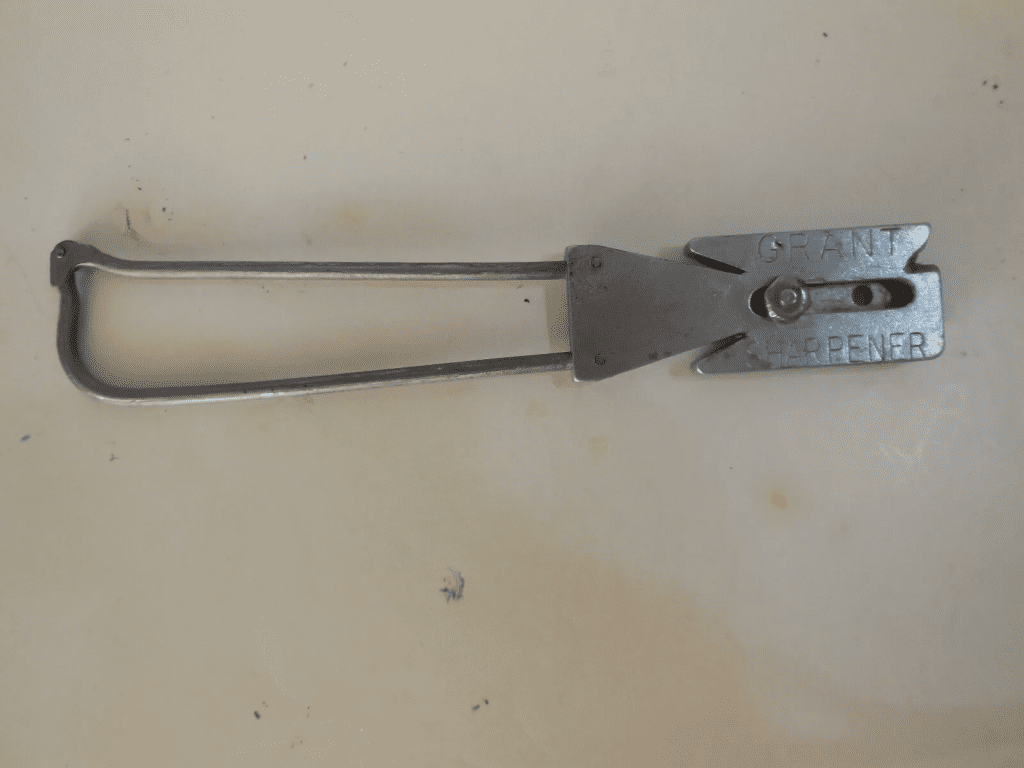
Though modern conveniences have largely replaced the need for vintage sharpeners, their legacy continues to thrive. These tools now serve as a reminder of a time when people valued craftsmanship, durability, and sustainability in everyday life. Many vintage sharpeners have found new homes as decorative items in kitchens, workshops, and collections, standing as symbols of practicality and resourcefulness.
For those who still use them, vintage sharpeners offer a hands-on connection to the past. Their continued use highlights the importance of caring for and maintaining the tools we rely on, a philosophy that resonates with today’s focus on sustainability and reducing waste.
Conclusion: Honoring the Legacy of Vintage Sharpeners
The vintage knife and scissor sharpener is more than just a tool—it’s a testament to the evolution of domestic life and the values of a bygone era. These sharpeners, with their simple yet effective design, reflect a time when self-sufficiency and craftsmanship were prized. Though modern technology has changed the way we maintain our tools, the legacy of the vintage sharpener endures, reminding us of the importance of durability, resourcefulness, and caring for the items we depend on every day.
Whether viewed as functional tools or cherished collectibles, vintage sharpeners continue to hold a special place in our history, serving as a reminder of the ingenuity and practicality that once defined the household.
