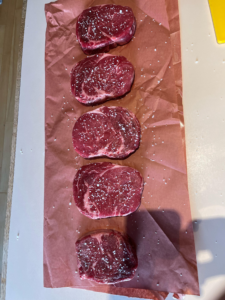
When it comes to seasoning meat, timing can make all the difference. One of the most debated questions in cooking is whether it’s better to salt meat before cooking to enhance flavor or after to prevent dryness. Let’s dive into the benefits of each method to help you decide the best approach for your next meal.
Salting Before Cooking: Unlocking Flavor
Salting meat before cooking is a common technique that many chefs swear by. This method allows the salt to penetrate deeper into the meat, enhancing its natural flavors. When salt is applied ahead of time, it draws moisture out of the meat, then reabsorbs it, along with the seasoning, back into the muscle fibers. The result? A more flavorful and evenly seasoned dish.
In addition, pre-salting helps create a better crust when searing or grilling. The salt aids in forming a golden, caramelized exterior that locks in moisture and intensifies the savory taste. For thicker cuts of meat like steak or roasts, seasoning in advance, even hours before cooking, can make a noticeable difference in flavor.
Salting After Cooking: Preserving Moisture
On the flip side, some cooks prefer to salt meat after cooking, especially if they’re concerned about keeping the meat juicy. Salting meat too early can sometimes draw out too much moisture, leading to a drier result. By waiting until after cooking, you ensure that the meat retains its natural juices throughout the process.
This method works particularly well for leaner cuts like chicken breasts or pork chops, where over-salting early on could risk losing valuable moisture. Post-cooking salting allows you to control the final seasoning, ensuring the meat stays tender and flavorful without the risk of drying out.
Finding the Balance
Ultimately, whether to salt before or after cooking depends on the type of meat you’re preparing and the result you want. For rich, flavorful cuts like steaks or roasts, salting beforehand can amplify the taste and texture. For leaner cuts, waiting until after cooking helps preserve moisture and tenderness. Some chefs even combine both methods, lightly seasoning before cooking and adjusting the salt level afterward to achieve the perfect balance of flavor and juiciness.
In the end, there’s no one-size-fits-all answer, but experimenting with both techniques will help you master the art of seasoning meat to your taste!

Related Posts
Gambling platform On-Line: Realistic Information for Lower-risk Online Gaming
Gaming site Internet-based: Practical Information for Lower-risk Electronic Gambling A single gambling platform online combines game technology, user record tools, funding services as well as customer support…
Gambling platform On-Line: The way in order to Select a single Platform as well as Management Gaming Risks
Gaming site Internet-based: How for Choose a Platform plus Control Gaming Potential Problems A single gaming site online integrates online casino products, transaction tools plus customer assistance…
Casino On-Line: How in order to Choose one Site and Control Wagering Risks
Gambling platform Internet-based: The manner in which in order to Pick a single Platform and Management Gambling Dangers One gambling platform on-line brings together digital titles, transaction…
Gambling platform On-Line: Practical Data intended for More secure Electronic Wagering
Casino Online: Practical Details intended for Safer Digital Wagering A single casino on-line integrates casino product technology, account tools, transaction providers plus player customer service in one…
Gaming site On-Line: Useful Details for the purpose of More secure Electronic Gambling
Gaming site Internet-based: Useful Information intended for More secure Digital Wagering One gaming site online integrates casino product technology, account controls, payment platforms plus customer customer service…
Gambling platform Online: Useful Details for the purpose of More secure Electronic Gaming
Gambling platform Internet-based: Useful Details for Lower-risk Digital Gaming One gambling platform internet-based brings together casino product programming, account features, transaction services and player customer service within…