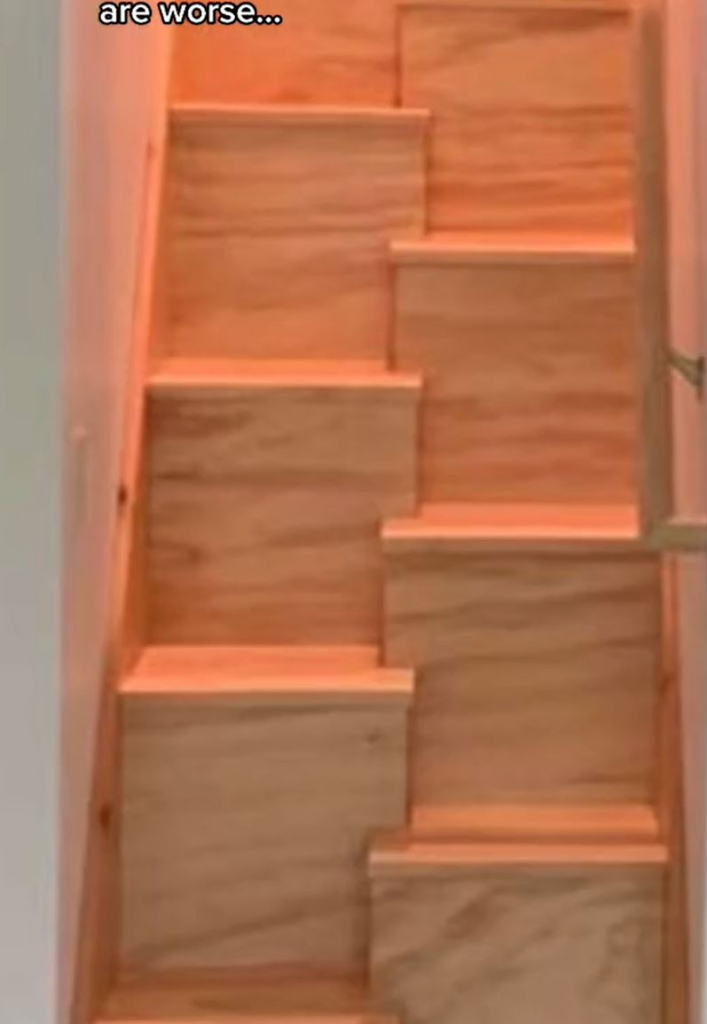
Practical Purpose of Witches’ Stairs
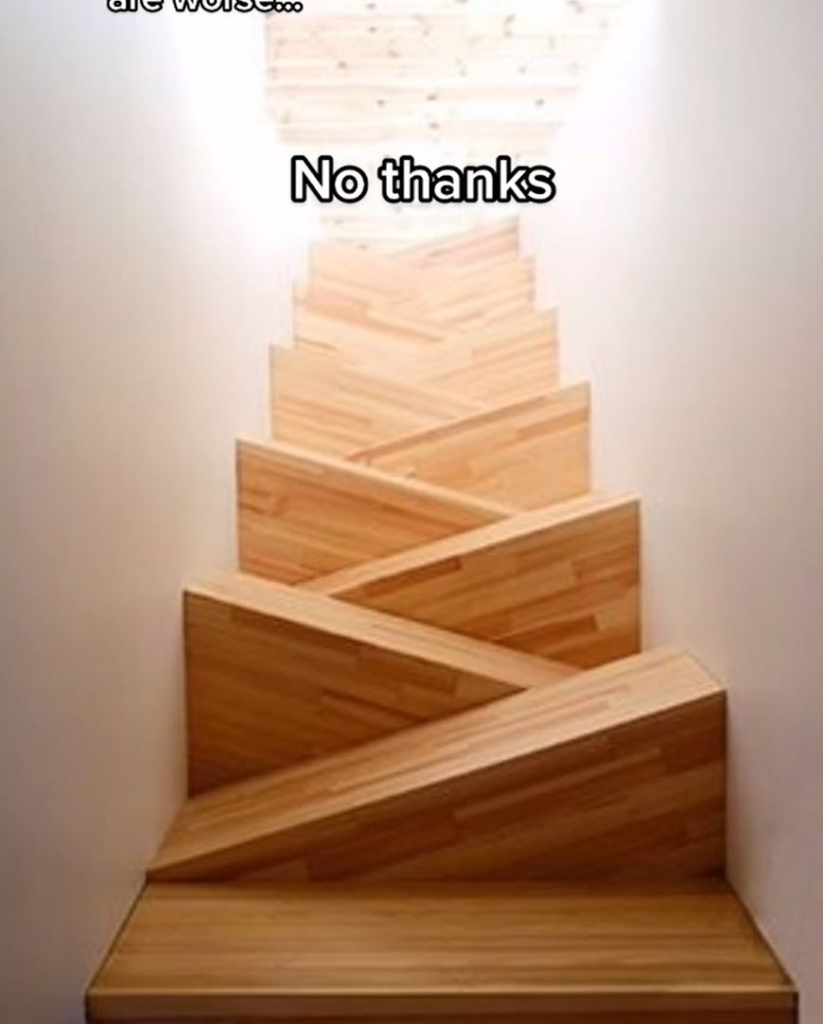
Witches’ stairs, or alternate tread stairs, may seem mysterious, but they serve a practical purpose. These unique stairs are useful in homes with limited space, such as lofts, attics, and tiny houses. Contrary to popular belief, witches’ stairs were designed to save space while allowing easy access between floors.
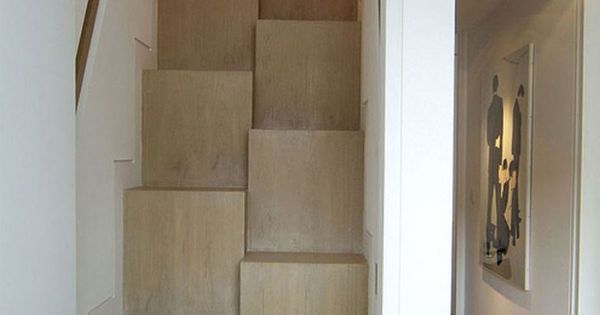
How Witches’ Stairs Work
Witches’ stairs optimize space in two ways. First, each step is only half as wide as traditional steps. Second, the steps are staggered. This combination ensures the staircase is narrower than regular stairs, making it an efficient space-saving solution. These smaller staircases can also double as storage for books or display shelves for your treasures.
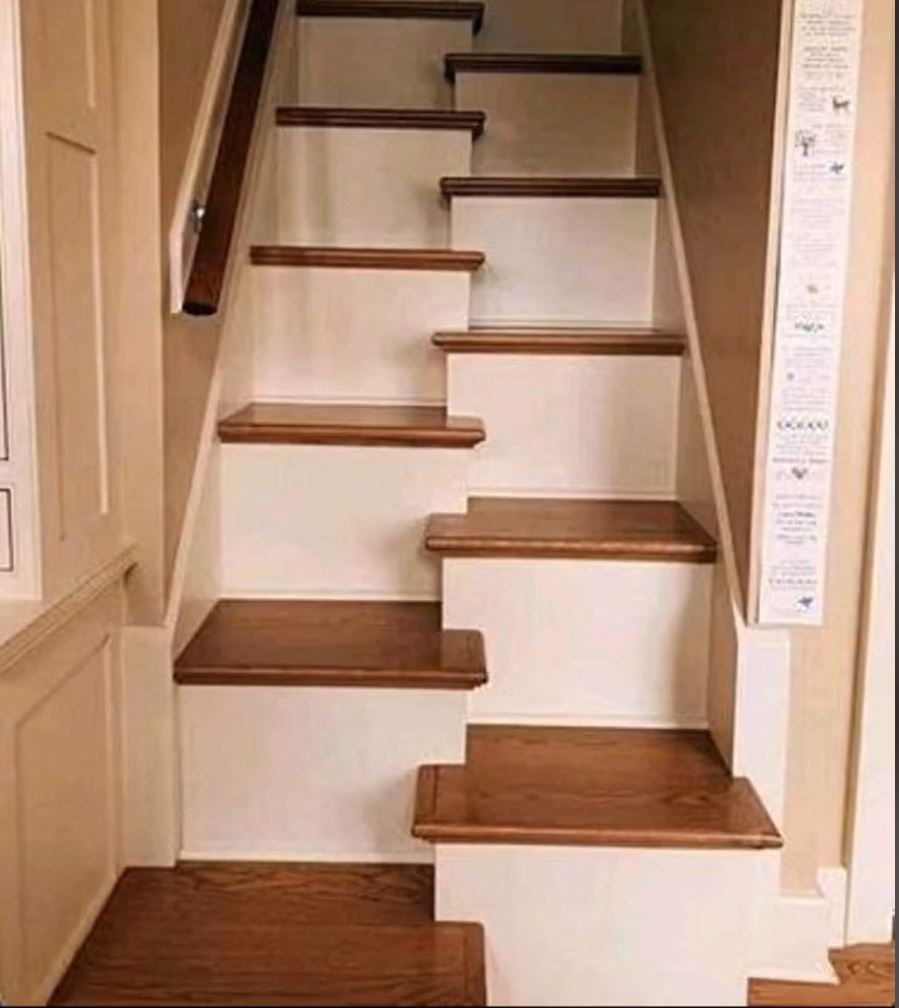
Safety and Compliance
Witches’ stairs comply with building codes and safety standards in the United States. Despite being narrower than standard staircases, they are designed to be safe and functional. A residential witches’ staircase is typically between 27 to 30 inches wide, providing enough space for comfortable and secure navigation.
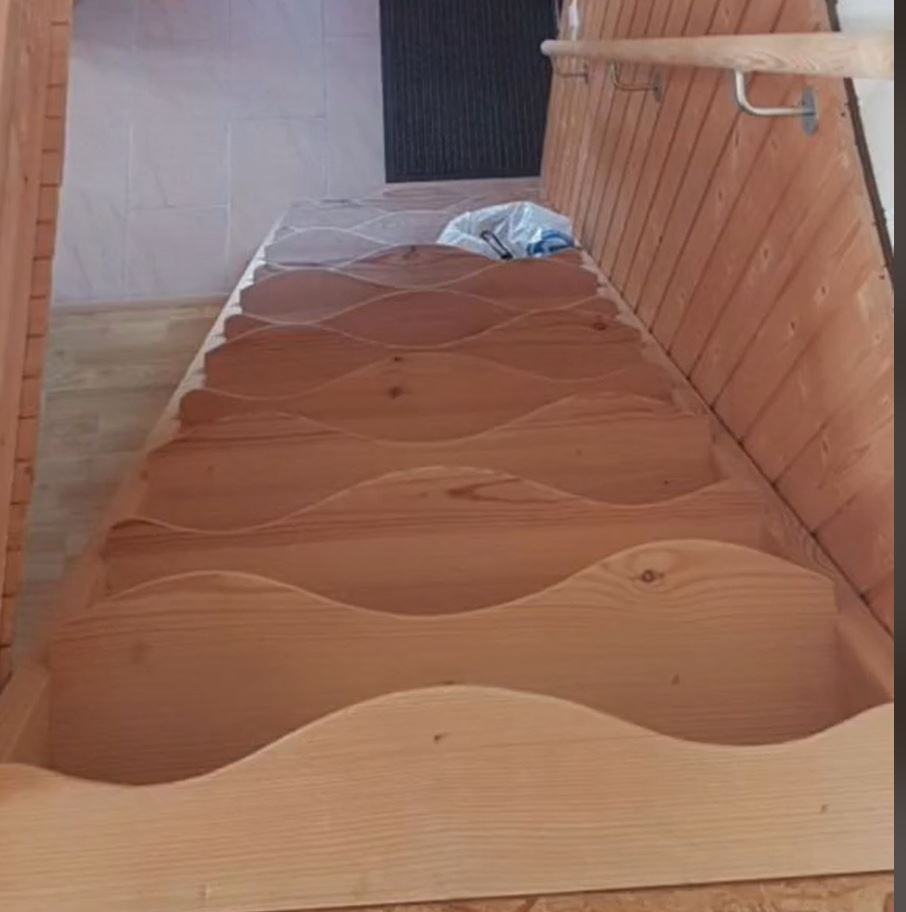
Origins and History
The origins of witches’ stairs date back to 1985 when J.M. Lapeyre patented a metal version. Initially designed as an alternative to ladders in commercial settings, they are now used on commercial ships and oil rigs. They are also known as ship stairs or ship ladders.
Myths and Misconceptions
There are many myths about witches’ stairs, but there is no historical evidence linking them to witchcraft or the Salem witch trials. The idea that witches cannot climb these stairs is a myth. Additionally, the notion that Thomas Jefferson was involved in their design is unfounded. The true history of witches’ stairs remains unclear, but they are a unique and decorative alternative to traditional staircases, adding charm and character to any space.