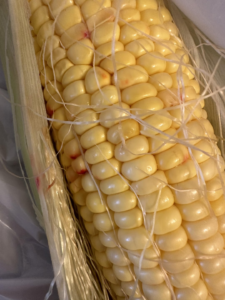
How to Freeze Fresh Corn: A Step-by-Step Guide
Freezing fresh corn is an excellent way to preserve its sweet taste and tender texture, allowing you to enjoy the flavors of summer all year round. Whether you have a bountiful harvest from your garden or have stocked up from the farmer’s market, freezing corn can save you time and money while ensuring that delicious corn is always at your fingertips. In this guide, we’ll walk you through the steps to freeze fresh corn, ensuring it retains its flavor and nutrients.
Why Freeze Corn?
Corn is a versatile vegetable used in various dishes, from salads and soups to casseroles and side dishes. By freezing corn, you can:
- Preserve Freshness: Lock in the natural sweetness and nutrients of fresh corn.
- Reduce Waste: Prevent surplus corn from spoiling.
- Enjoy Year-Round: Have access to corn outside of its peak season.
Step-by-Step Guide to Freezing Fresh Corn
Step 1: Selecting the Corn
For the best results, choose corn that is fresh, tender, and at its peak ripeness. Look for ears with bright green husks, plump kernels, and moist silk. Avoid corn with dried-out husks or discolored kernels, as they may not freeze well.
Step 2: Preparing the Corn
Before freezing, you’ll need to prepare the corn by cleaning and cutting it.
- Remove the Husk and Silk: Peel away the husks and remove all the silk threads. Rinse the corn under cold water to ensure it’s clean.
- Blanch the Corn: Blanching helps preserve the corn’s flavor, color, and texture while stopping the enzyme action that can lead to spoilage. Here’s how to do it:
- Boil Water: Fill a large pot with water and bring it to a boil.
- Prepare an Ice Bath: Fill a large bowl with ice water and set it aside.
- Blanch the Corn: Submerge the corn ears in boiling water for 4-6 minutes, depending on their size. Large ears need more time, while smaller ears need less.
- Cool in Ice Bath: Immediately transfer the corn to the ice bath to stop the cooking process. Let them cool for about the same duration they were blanched.
- Drain and Dry: Remove the corn from the ice bath and let it drain. Pat the ears dry with a clean towel.
Step 3: Cutting the Corn
You can freeze corn on the cob or cut the kernels off the cob. Here’s how to cut the kernels if you prefer:
- Stabilize the Corn: Stand the ear of corn upright on a cutting board, holding it steady with one hand.
- Cut the Kernels: Use a sharp knife to cut down the sides, removing the kernels from the cob. Cut as close to the cob as possible to get whole kernels.
Step 4: Packaging the Corn
Proper packaging is crucial for preventing freezer burn and maintaining quality.
- Freezing Corn on the Cob:
- Wrap each ear individually in plastic wrap or foil.
- Place the wrapped ears in a large freezer bag or airtight container.
- Squeeze out as much air as possible before sealing.
- Freezing Corn Kernels:
- Spread the kernels in a single layer on a baking sheet lined with parchment paper.
- Freeze the sheet for 1-2 hours until the kernels are solid.
- Transfer the frozen kernels to airtight freezer bags or containers.
- Remove excess air and seal tightly.
Step 5: Label and Store
Label each bag or container with the date and type of corn (e.g., kernels or on-the-cob) to keep track of storage time. Store the corn in the coldest part of your freezer for optimal freshness. Properly frozen corn can last 8-12 months in the freezer.
Tips for Using Frozen Corn
- Thawing: For most recipes, you can add frozen corn directly without thawing. If needed, thaw corn in the refrigerator or use the defrost setting on your microwave.
- Cooking: Use frozen corn in soups, stews, casseroles, or salads. It can also be sautéed with butter and herbs for a quick side dish.
- Avoid Re-Freezing: Once thawed, use the corn promptly to maintain its quality.
Enjoying Your Frozen Corn
With your fresh corn properly frozen, you can savor the taste of summer any time of the year. Whether you’re making a comforting corn chowder on a chilly winter evening or adding a burst of sweetness to a summer salad, frozen corn is a convenient and delicious ingredient that adds flavor and nutrition to your meals.
Freezing fresh corn is a simple and effective way to preserve its natural sweetness and nutritional value. Following these steps, you can ensure that your frozen corn retains its quality, making it a versatile and tasty addition to various dishes throughout the year. Enjoy the convenience and flavor of home-frozen corn whenever you like!
