Should You Rinse Your Rice Before Cooking It?
When preparing rice, one common question arises: Should you rinse it before cooking? This seemingly simple step can significantly impact the texture and quality of your final dish. Let’s explore the reasons behind rinsing rice and whether it’s truly necessary.
Why Rinse Rice?
Removing Excess Starch
Rinsing rice primarily helps remove excess starch from its surface. This is especially important for varieties like jasmine or basmati. Excess starch can cause rice to become sticky or clump together during cooking, resulting in a less desirable texture. By rinsing, you ensure that each grain remains separate and fluffy.
Cleaning the Rice
Rinsing also helps clean the rice, removing any dust, impurities, or residues that may have accumulated during processing and packaging. Although rice sold commercially is usually clean, rinsing adds an extra layer of hygiene and can improve the overall quality of your dish.
Types of Rice and Rinsing
Long-Grain Rice
For long-grain varieties like basmati and jasmine, rinsing is generally recommended. It helps achieve a lighter, fluffier texture and prevents the rice from becoming overly sticky.
Short-Grain Rice
Short-grain rice, commonly used in sushi and risottos, often has a higher starch content. Rinsing is particularly important for these types to avoid excessive stickiness, unless a sticky texture is desired.
Brown Rice
Brown rice, with its bran layer intact, requires thorough rinsing to remove excess debris and any residual husk. It’s beneficial for improving texture and cooking consistency.
When Rinsing Might Not Be Necessary
Pre-Cooked or Instant Rice
Pre-cooked or instant rice varieties often don’t need rinsing. They are processed in a way that minimizes excess starch and impurities, making rinsing unnecessary.
Rice Packaging Instructions
Always check the packaging instructions. Some brands may specify whether rinsing is required. If the label suggests that rinsing is unnecessary, it’s best to follow those guidelines.
How to Rinse Rice
Basic Rinsing Method
- Place Rice in a Bowl: Add rice to a large bowl or pot.
- Add Water: Cover with cold water.
- Swirl and Rinse: Gently swirl the rice with your hand, then drain the water.
- Repeat: Repeat the process until the water runs clear.
Using a Fine-Mesh Strainer
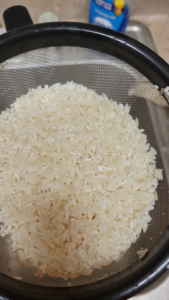
Alternatively, you can rinse rice under cold running water using a fine-mesh strainer. This method is efficient and helps remove excess starch quickly.
Conclusion
Rinsing rice before cooking can enhance the texture and quality of your dish by removing excess starch and impurities. While it’s essential for certain types of rice to achieve the desired results, some rice varieties may not require rinsing. Consider the type of rice you’re using and follow any specific instructions on the packaging. Ultimately, rinsing rice is a simple step that can make a significant difference in your cooking.
