
Reliving History Through Cannonballs
Visiting a history museum or a battlefield often involves handling a cannonball. Teachers use these heavy relics to demonstrate the sounds and impact of battles, offering a tangible glimpse into our history and the conflicts that shaped nations.
The Role of Cannonballs in Warfare
Cannonballs, large iron spheres fired from cannons, were crucial in warfare from the medieval period to the 19th century. These simple yet effective projectiles, made from solid or hollow iron, knocked down walls, dispersed enemies, and pierced enemy ships.
Understanding Historical Warfare
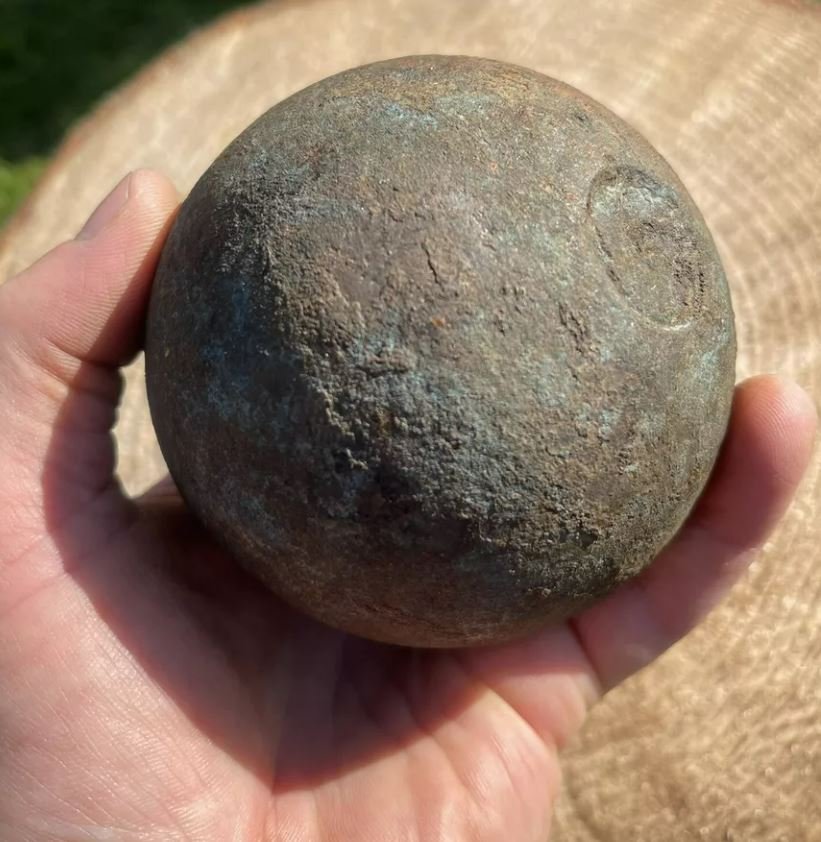
Cannonballs provide deep insights into historical warfare and technological advancements. Each conserved cannonball tells a story of ancient battles and the relentless quest for military improvement. They were not just weapons but also pivotal in determining the outcomes of major battles, reflecting the creativity and adaptability of past military engineers.
Collecting Historical Artifacts
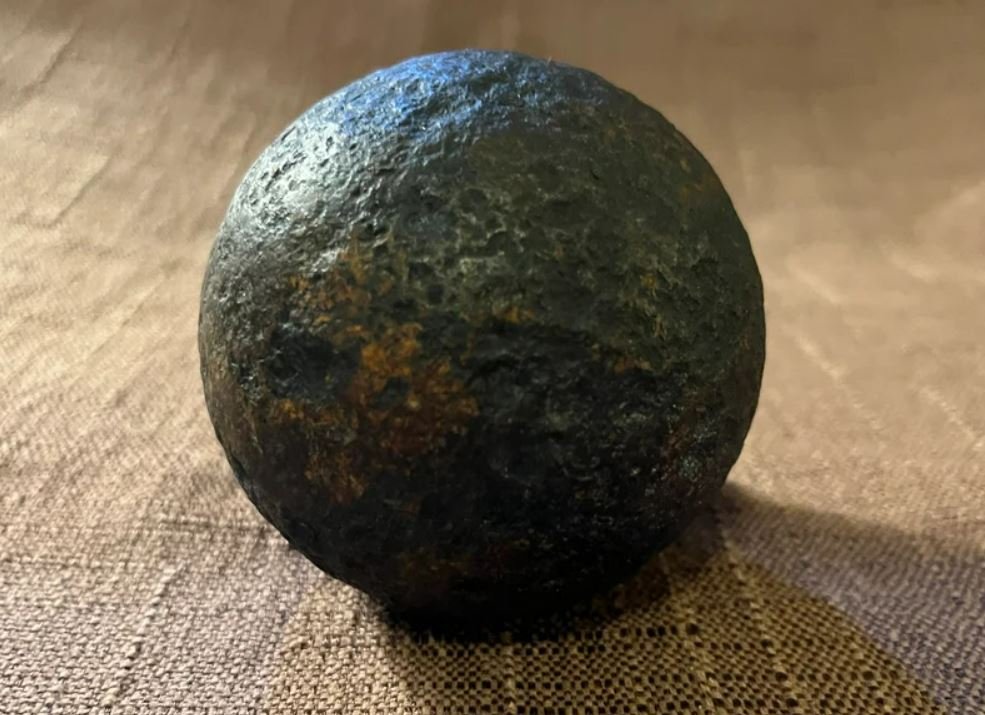
For antique collectors, an old cannonball is a valuable find, rich in history. These artifacts are prized for their historical significance and the stories told by their rust marks. However, collectors must handle them carefully, as some older cannonballs may still contain unexploded explosives.
The Dual Nature of Cannonballs
Cannonballs remind us of both human destruction and innovation. Today, as we display them in museums or preserve them as antiques, they serve as educational tools that spark curiosity and historical awareness.
Cherishing Our History
Whether viewed as collectibles or relics, cannonballs urge us to explore our past and understand our ancestors’ triumphs and struggles. They inspire us to protect and cherish our cultural heritage, ensuring future generations can appreciate and learn from history as we do.
