Ticks: A Small Threat with Big Consequences
Ticks are more than just annoying—they can be dangerous. These tiny pests carry serious diseases like Lyme disease and Rocky Mountain spotted fever. If you find a tick in your home, it’s crucial to act quickly.
Identify and Control
Start by identifying the type of tick you’re dealing with—black-legged, dog, or brown dog tick. Once identified, take steps to prevent it from spreading. Keep children and pets away from the area until the tick is removed.
Protect Yourself
Protecting yourself is key. Wear gloves and long sleeves to minimize skin exposure, reducing the risk of a tick attaching to you.
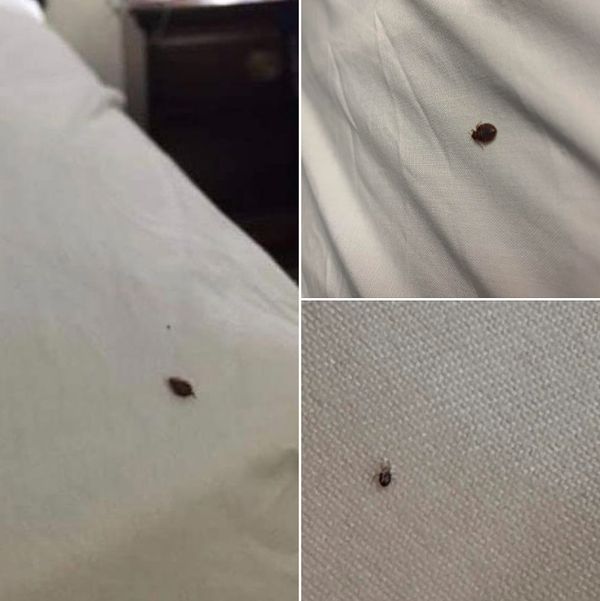
Clean Your Home Thoroughly
Ticks can hide anywhere—clothing, bedding, and even cracks in your home. Clean all areas where the tick may have been. Wash clothes and bedding in hot water, and vacuum thoroughly, paying close attention to corners and crevices.
Remove Ticks Safely
If a tick is attached to your skin, don’t panic. Use fine-tipped tweezers to grasp it close to the skin and pull upward slowly. Avoid twisting or jerking to prevent leaving parts of the tick embedded in your skin. After removal, clean the bite area with alcohol or soapy water, and dispose of the tick by submerging it in alcohol or flushing it.
Monitor and Seek Help
Keep an eye on any bite sites and watch for symptoms like rash, fever, or muscle aches. If you notice anything unusual or the bite becomes infected, seek medical help immediately.
Stay Safe and Informed
Ticks are small but dangerous. By taking prompt action, you can protect yourself and your loved ones from the risks they pose. Share this information to help others stay safe too.
