Relics of a Bygone Era
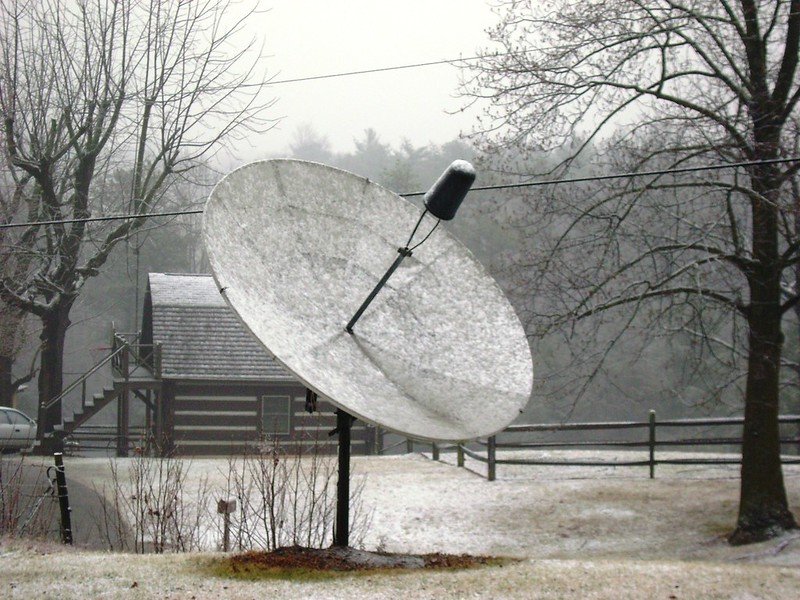
In the backyards of many homes, old satellite dish mounts still stand. These metal relics, now often rusty and unused, are monuments to the early days of satellite television. This technology revolutionized how entertainment was consumed globally.
A Game-Changer in Television
The advent of the satellite dish was a significant shift in television and communication. These dishes, often cumbersome and unwieldy, required precise mounts in open yards to catch the best signal. The setup involved heavy metal poles and brackets that could withstand all weather conditions, ensuring families could enjoy shows from around the world without interruption.
Expanding Horizons
Satellite dishes did more than expand entertainment options. They brought international news, sports, and cultural programming directly into homes, broadening viewers’ horizons and fostering a better understanding of global dynamics. This leap toward media globalization made viewers more globally aware and connected.
Evolution of Technology
As technology advanced, big dishes gave way to smaller, more efficient units, and eventually to digital streaming options that required no physical dishes. The memory of adjusting those big dishes, sometimes battling the elements for a clearer picture, remains fond for many. It recalls a time when family members gathered around the television, eagerly anticipating a special broadcast.
Nostalgic Remnants
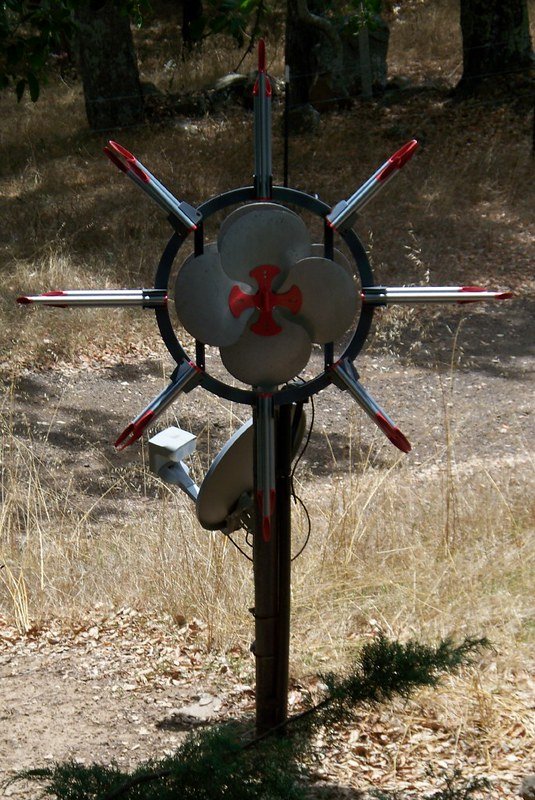
Today, old dish mounts might still be seen in some yards, repurposed as quirky garden features or nostalgic remnants of a bygone era. They remind us how quickly technology evolves and how what was once essential can become a charming relic of the past.
Celebrating Technological Change
In celebrating these old satellite dish mounts, we celebrate a time of rapid technological change and our adaptation to it. Each adjustment of the dish became an opportunity for communal experience and global exploration. These structures are not just metal; they are landmarks on our journey through the age of information.
