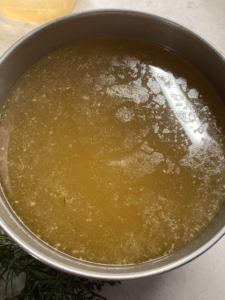
Stock and broth are two fundamental elements in cooking that often get used interchangeably. However, they have distinct differences in ingredients, preparation methods, and culinary uses. Understanding these differences can help you make better choices in the kitchen and enhance the flavors of your dishes.
Ingredients
Stock is typically made by simmering bones, along with some meat, vegetables, and aromatics (such as herbs and spices) in water. The focus of stock is on extracting gelatin from the bones, which gives it a richer, thicker texture and more body. The bones, often roasted beforehand, impart a deeper flavor and create a robust, savory liquid. Commonly used bones include chicken, beef, and fish.
Broth, on the other hand, is usually made by simmering meat and vegetables, often with a smaller amount of bones or none at all. The goal of making broth is to extract flavors from the meat and vegetables rather than gelatin from the bones. This results in a lighter, clearer liquid with a more delicate flavor compared to stock.
Preparation Methods
Stock is simmered for a longer period, typically 4 to 6 hours, to fully extract gelatin and flavors from the bones. This slow cooking process helps to develop a rich, complex flavor and a thick consistency once cooled. The long cooking time allows the collagen in the bones to break down and dissolve into the liquid, creating a more substantial texture.
Broth, in contrast, is usually simmered for a shorter time, often between 1 to 2 hours. This shorter cooking period is sufficient to extract flavors from the meat and vegetables but does not allow for the same level of gelatin extraction as stock. As a result, broth has a lighter texture and a more subtle flavor.
Culinary Uses
Stock is often used as a base for sauces, gravies, and soups where a richer, fuller flavor and a thicker texture are desired. It provides a robust foundation that enhances the overall taste of dishes. Chefs and home cooks alike use stock to create depth in recipes, particularly when aiming for a more complex and savory profile.
Broth is versatile and commonly used as a base for soups, stews, and risottos where a lighter, more delicate flavor is preferred. It can also be enjoyed on its own as a flavorful beverage or used in recipes where a subtle liquid is needed to complement other ingredients.
Flavor and Texture
Stock has a more intense flavor and a thicker, slightly gelatinous texture due to the gelatin extracted from the bones. When cooled, stock often forms a gel-like consistency, which adds body and richness to dishes.
Broth has a lighter, more transparent appearance and a smoother, less viscous texture. Its flavor is usually more straightforward and less complex compared to stock, making it ideal for dishes where a subtle base is required.
Conclusion
In summary, while both stock and broth are valuable components in cooking, they serve different purposes and are made using different methods and ingredients. Stock, with its rich, gelatinous texture and deep flavor, is perfect for adding depth and body to recipes. Broth, with its lighter texture and delicate taste, is ideal for creating subtle, flavorful dishes. Understanding these differences allows you to choose the right base for your cooking needs, ultimately enhancing the flavors and textures of your culinary creations.
