Understanding the Fruit Fly Problem
Fruit flies are extremely difficult to eliminate due to their long lifespan of 40 to 50 days, much longer than we’d like. They aren’t just annoying; like houseflies, fruit flies can transport bacteria such as Salmonella and E. coli. With a comprehensive plan of attack, you can protect your produce, plants, and sanity. Here’s a guide to help you eliminate fruit flies and prevent them from coming back.
What Are Fruit Flies?
Fruit flies and gnats often get confused because they both measure about 1/8-inch long. However, they prefer different environments. While fungus gnats gather around indoor potted plants, fruit flies are more common around unrefrigerated produce and rotting food in the trash. They are most problematic during summer and fall, although they can invade homes year-round. Unfortunately, fruit flies reproduce rapidly, making them a persistent issue.
Where Do Fruit Flies Come From?
Fruit flies have a quick life cycle, moving from egg to adulthood in just a week. A single female can lay up to 500 eggs. They slip into homes easily, attracted by the scent of ripening fruit, organic matter, and even houseplants.
Fruit flies lay eggs near fermenting foods or organic materials like houseplant soil. They also lay eggs in sink drains, garbage disposals, empty bottles, garbage bags, and damp mops or sponges. This rapid reproduction can lead to infestations quickly.
Best Ways to Get Rid of Fruit Flies
Once you have a fruit fly problem, several strategies can help you eliminate them. From store-bought traps to DIY solutions, here’s how you can tackle the issue.
1. Set Up Fly Traps
Fly traps play a crucial role in controlling fruit fly populations. A pyrethrum-based aerosol insecticide can kill adult flies on contact, but it won’t eliminate eggs or larvae. Store-bought traps, available at hardware stores, stop the breeding cycle. These disposable traps, baited with a nontoxic lure, can catch around 2,000 flies each and last for a month.
2. Make a Vinegar Fly Trap
If you prefer a DIY solution, you can easily make a vinegar fly trap with common household items. Here’s how:
- Materials Needed: Empty wine bottle or jar, 8×10-inch piece of paper, tape, and apple cider vinegar.
- Instructions:
- Form a cone-shaped funnel with the paper and seal it with tape, leaving a small opening at the narrow end.
- Place the funnel into a clean, empty wine bottle or jar.
- Add a teaspoon of apple cider vinegar to the container as bait.
- Position these traps on counters or in pantries where fruit flies gather.
- Once trapped, spray the flies or release them outside. Re-bait the jar traps as needed.
If you don’t have vinegar, a slice of ripe banana will also work.
3. Try a Dish Soap Fly Trap
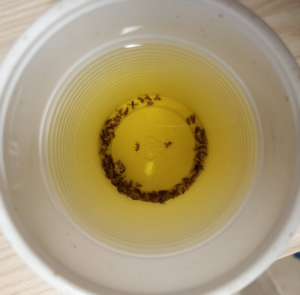
If vinegar traps fail, the dish soap method might work. Mix a few drops of dish soap with white vinegar in a bowl, and leave it uncovered on a surface. Fruit flies will sink into the mixture after landing.
4. Use Wine or Beer to Trap Fruit Flies
The smell of wine or stale beer attracts fruit flies effectively. Leave an old bottle with some liquid remaining out to entice flies. Adding dish soap to the liquid increases the chance of trapping them.
5. Use an Insecticide
If traps don’t suffice, consider using a fruit fly insecticide. Always read product labels carefully, follow directions precisely, and check the EPA registration number to ensure safety. Labels use terms like “Caution” for the least harmful products, “Warning” for more toxic options, and “Danger” for very poisonous or irritating substances.
How to Prevent Fruit Flies
As the saying goes, “An ounce of prevention is worth a pound of cure.” It’s much easier to prevent fruit flies than to deal with an infestation. Here are some simple steps to keep them at bay.
Eliminate Potential Breeding Grounds
Fruit flies breed in damp environments. Point out common household breeding areas like sink areas, damp clothes or rags, and potted plants. Clean these spaces with non-chlorine bleach mixed with water and minimize moisture build-up to prevent future issues.
Avoid Inviting Fruit Flies Indoors
Ensure windows and doors are sealed tightly. Use screens when opening windows to let in the breeze. Minimize the time doors stay open, especially when bringing groceries inside.
Store and Clean Up Food
Keep ripened fruit or vegetables like bananas, onions, tomatoes, or potatoes in the refrigerator until the fruit fly problem is resolved. Dispose of spoiled produce in the trash and take it outside. Fruit flies also love alcohol and sugary drinks, so avoid leaving open bottles of wine or juice on the counter.
Monitor Trash and Recycling
Food scraps in the trash attract fruit flies. Keep garbage containers and recycling bins closed and empty them regularly. Rinse out recycled items before adding them to the bin, as leftover liquids and food debris can attract flies. Regularly clean trash cans and recycling bins, both indoors and outdoors, to reduce the chance of fruit fly infestations.
